
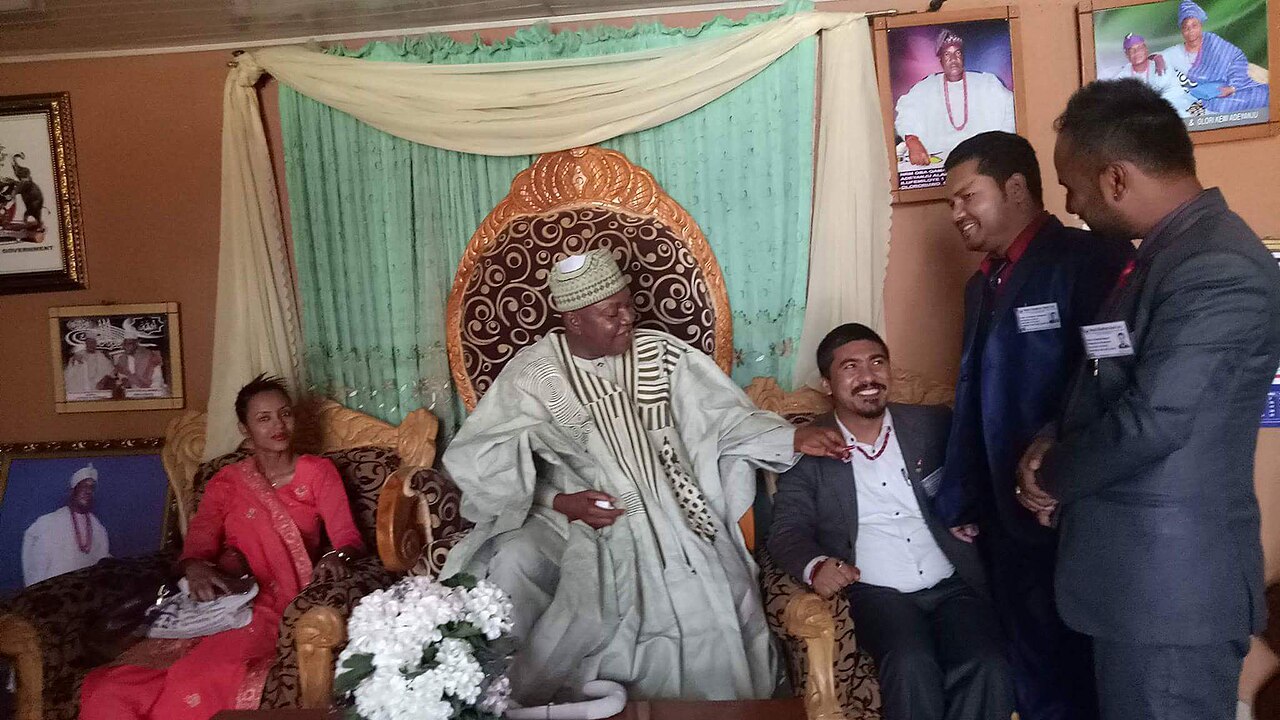
A Royal Gathering of Titans in Rivers State
The quiet coastal tides of Rivers State bore witness to an unprecedented convergence of Nigeria’s political and traditional heavyweights as King MacPepple Jaja officially ascended the ancient throne during a magnificent coronation ceremony. Drawing elite figures from across the federation, the event underscored the profound cultural resilience and deep-rooted heritage of the Niger Delta region. Leading the roll call of distinguished guests was former Nigerian President Goodluck Jonathan, whose presence added immense federal and diplomatic weight to the traditional proceedings.
As traditional drummers beat resonant rhythms echoing across the waterways, the Opobo king coronation transformed the historic town into a vibrant theater of colors, regal attires, and displays of pristine Ijaw culture. Dignitaries, chiefs, and sons and daughters of the soil converged to witness a new chapter unfold for one of the most revered kingdoms in the South-South geopolitical zone.
Tradition Meets Majesty: Obi of Onitsha and Olu of Warri Grace the Occasion
The grandeur of the day was further elevated by the majestic entry of revered traditional monarchs from various parts of Nigeria. The Obi of Onitsha, His Imperial Majesty, Igwe Nnaemeka Alfred Achebe, brought the dignity of the ancient Igbo kingdom to the shores of Opobo. Clad in resplendent traditional regalia, the foremost monarch joined hands in royal solidarity with the Niger Delta traditional institution.
Equally commanding attention was the Olu of Warri, Ogiame Atuwatse III, whose youthful vibrancy and commitment to cultural preservation have continually redefined traditional leadership in modern Nigeria. The camaraderie displayed between the visiting monarchs and the newly crowned King MacPepple Jaja served as a powerful reminder of the unity bridging the Igbo, Ijaw, and Itsekiri cultural landscapes.
Why the Opobo Kingdom Matters in Nigerian History
To truly understand the magnitude of the Opobo king coronation, one must look back into the annals of Nigerian history. Founded in the 19th century by the legendary King Jubo Jubogha (commonly known as Jaja of Opobo), the kingdom grew rapidly into a formidable commercial powerhouse that fiercely resisted British colonial trade monopolies. King Jaja’s fierce independence, diplomatic acumen, and economic foresight made him a legendary martyr of anti-colonial resistance.
The ascension of King MacPepple Jaja is therefore not merely a local succession rite; it is the continuation of a proud lineage of resistance, resilience, and trade dominance. The presence of former President Goodluck Jonathan, alongside the traditional rulers, symbolizes the bridge between Nigeria’s rich historical past and its modern democratic architecture.
Political and Cultural Implications for the Niger Delta
Beyond the pomp and pageantry, political observers in Abuja and Port Harcourt have noted the subtext of unity embedded in the guest list. At a time when regional cohesion is paramount for economic development and security stability in the Niger Delta, the gathering of such diverse leaders signals a shared commitment to peace and traditional preservation.
As King MacPepple Jaja takes the mantle of leadership, his reign is expected to champion community development, youth empowerment, and the preservation of Ijaw heritage. With the blessings of elder statesmen and fellow monarchs like the Obi of Onitsha and the Olu of Warri, the newly minted monarch steps onto the global stage with immense traditional capital.