
The Renaissance of Classic Nigerian Literature on Stage
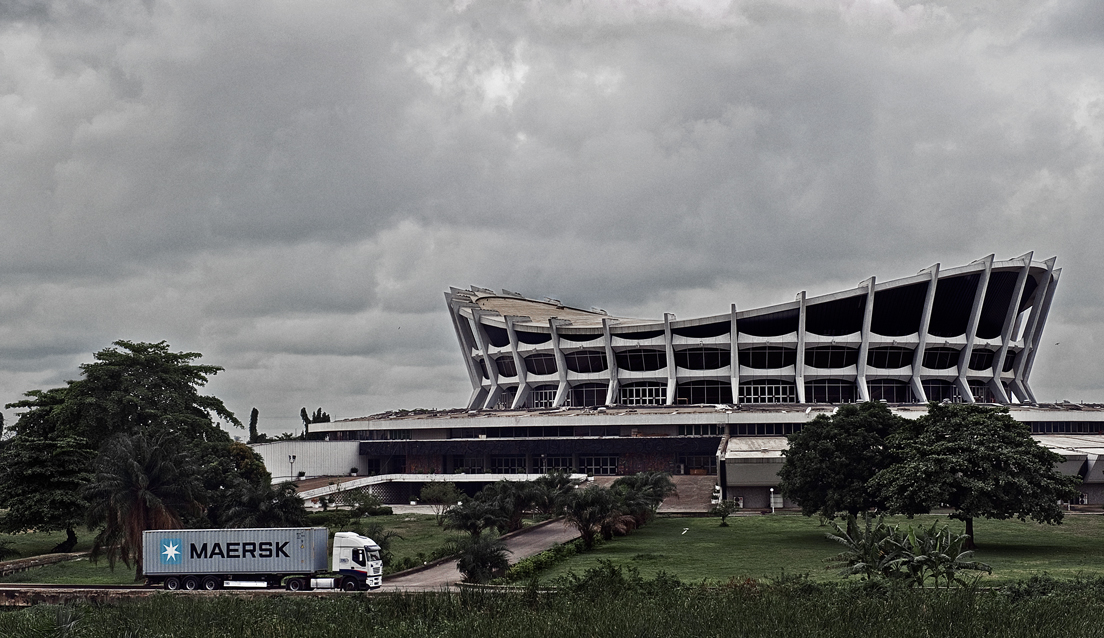
The Nigerian creative landscape is witnessing another major milestone as The Trials of Brother Jero – The Opera officially makes its highly anticipated return to the iconic National Theatre Lagos. Originally penned as a satirical stage play by Nobel laureate Professor Wole Soyinka, this musical adaptation brings a fresh, vibrant dimension to one of Nigeria’s most enduring literary critiques of religious charlatanism.
Theatre enthusiasts, arts patrons, and cultural historians have converged on the newly revitalized arts hub to witness how modern musical composition breathes new life into the timeless antics of the self-proclaimed ‘prophet, Jeroboam.’ The production underscores the growing appetite for high-brow indigenous theatrical experiences within the commercial capital.
Blending Operatic Scale with Indigenous Storytelling
Bringing Soyinka’s sharp satire into the realm of opera requires a delicate balance of classical vocal arrangements and rich, contemporary Nigerian instrumentation. Producers note that this iteration at the National Theatre Lagos utilizes an expansive orchestra fused with traditional talking drums, highlife undertones, and dramatic choral arrangements.
Why Brother Jero Resonates in Modern Nigeria
Decades after its initial publication, the narrative of a smooth-talking beach prophet manipulating gullible followers remains sharply relevant. Modern audiences easily draw parallels between the fictional escapades of Brother Jero and contemporary societal phenomena. This thematic continuity is precisely what drives packed houses to the venue, proving that classic Nigerian literature retains immense commercial and cultural value.
Boosting the Lagos Creative Economy
The return of such a monumental production serves as a testament to the ongoing revitalization of the nation’s arts infrastructure. As investments pour into the creative sector—fueled by both public initiatives and private sponsorships—venues like the National Theatre Lagos are reclaiming their status as the heartbeat of West African performing arts. Industry stakeholders anticipate a surge in tourism, hospitality patronage, and employment opportunities for local stage hands, costume designers, and classical musicians throughout the show’s run.