
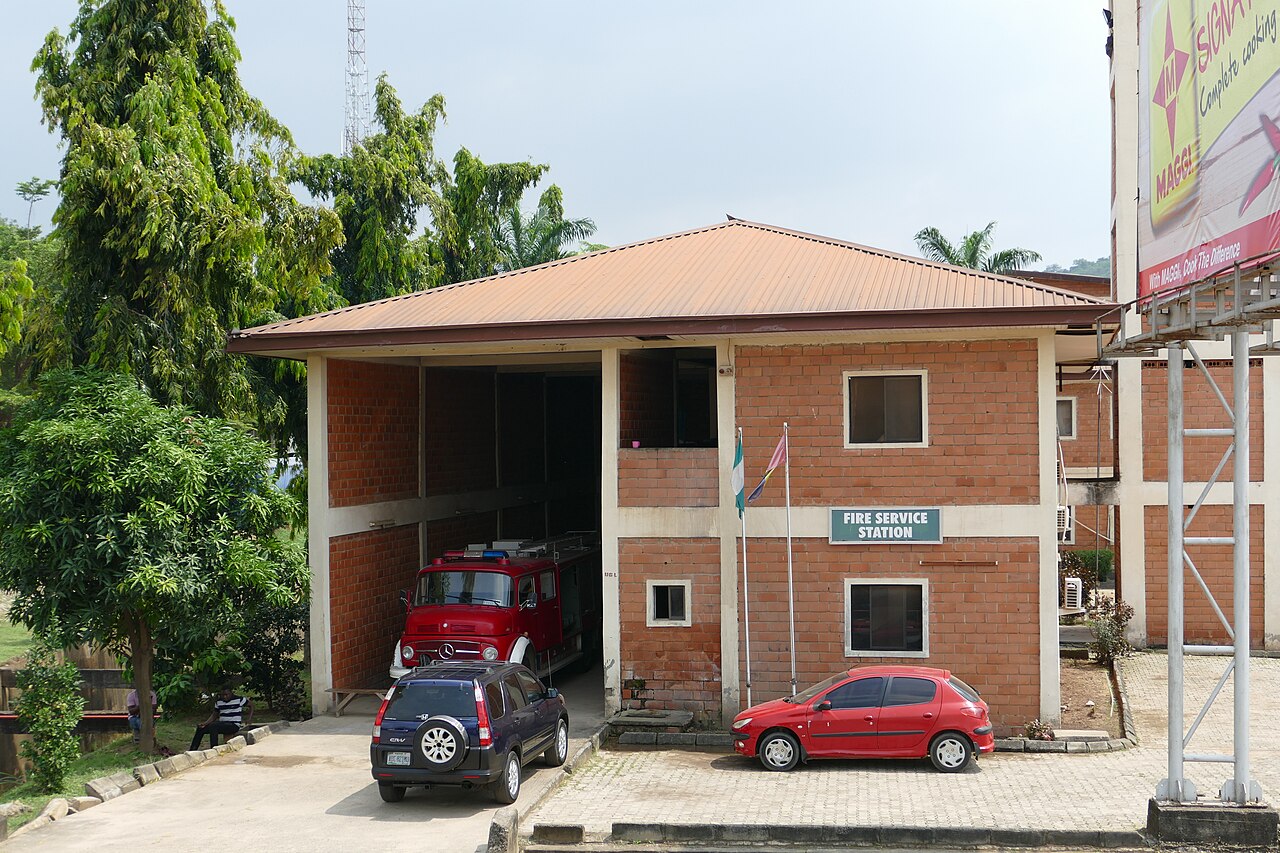
Traders Count Losses as Inferno Destroys Goods at Onitsha Main Market
The commercial heartbeat of Anambra State experienced a devastating blow early this week as a midnight inferno swept through sections of the legendary Onitsha Main Market, reducing millions of naira worth of goods and property to ashes. Known as one of West Africa’s largest commercial hubs, the market is now the center of grief and shock as affected business owners return to salvage what little remains of their livelihoods.
According to eyewitness accounts and preliminary reports from emergency responders, the fire started late at night, rapidly spreading through multiple lock-up shops before firefighters could mobilize to the scene. The intensity of the blaze made initial containment efforts exceptionally difficult, leaving traders and security personnel helpless as they watched years of hard work burn down.
The Immediate Aftermath and Emergency Response
First responders, including the Anambra State Fire Service and the National Emergency Management Agency (NEMA), battled the raging inferno for hours. While swift interventions prevented the fire from consuming the entire expanse of the massive market, specific lines dedicated to clothing, electronics, and general merchandise were completely obliterated.
Devastated traders who rushed to the scene upon receiving distress calls expressed profound frustration over delayed emergency arrivals and inadequate water supply within the market premises. Many victims lamented that their life savings, alongside goods procured through commercial bank loans, perished in the flames. The incident has once again brought to the forefront lingering safety concerns regarding fire prevention infrastructure across major trading centers in Nigeria.
Government Intervention and Calls for Structural Reform
In response to the disaster, the Anambra State government has visited the site of the inferno, promising a comprehensive investigation into the immediate and remote causes of the fire. State officials assured the grieving traders of short-term palliatives and structural assessments to prevent future occurrences.
However, market association leaders are demanding more than temporary palliatives. They are calling for the total overhaul of electrical installations within the market, improved access roads for fire trucks, and the establishment of a dedicated, permanent fire station stationed directly within the commercial zone. As the Onitsha Main Market community begins the arduous journey of recovery, the economic ripple effect of this disaster will undoubtedly be felt across the entire South-East region and beyond.