

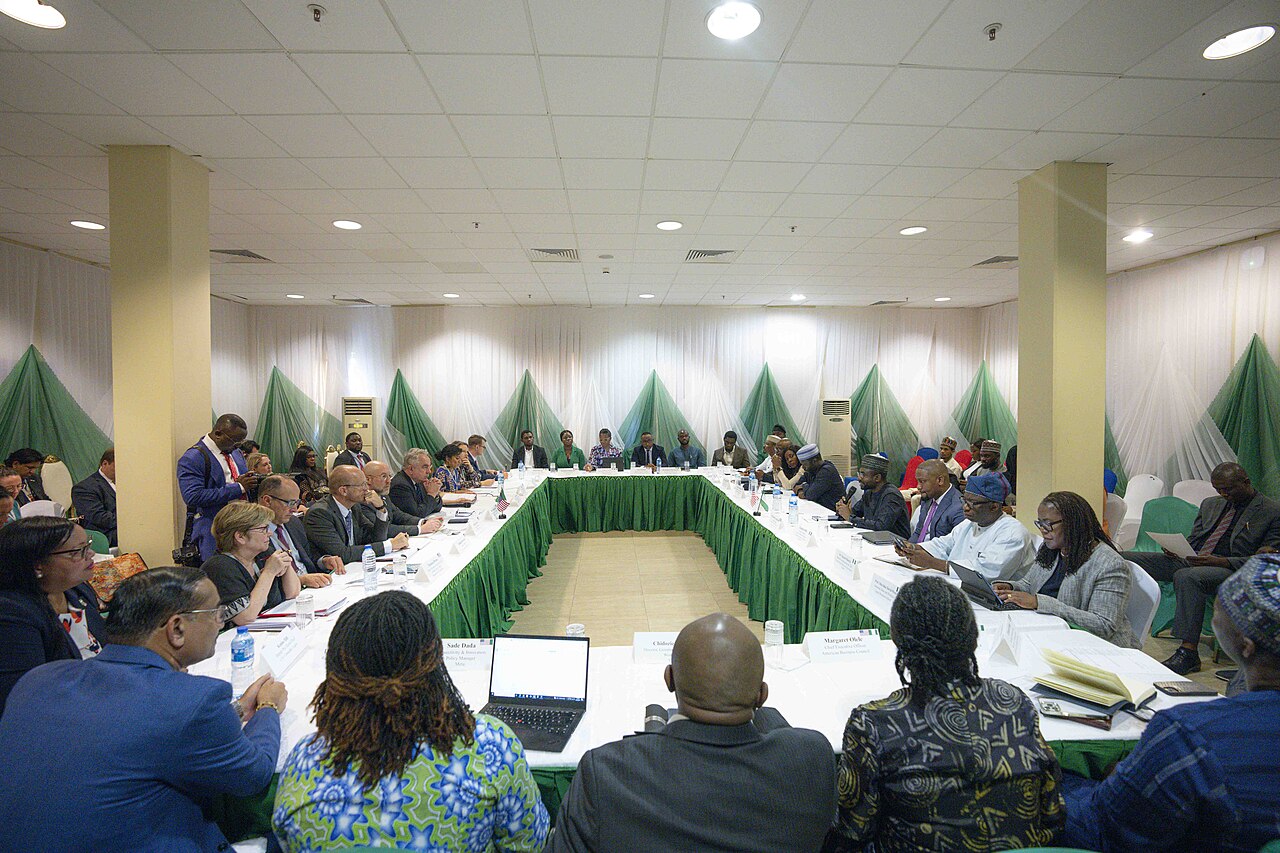

Understanding Nigeria’s Latest Borrowing Move
As the economic realities of fiscal restructuring continue to unfold across the country, the Federal Government has once again turned to international financial institutions. The push by the administration in Abuja to secure a fresh $1.5bn World Bank loan has ignited intense national debate among economists, lawmakers, and citizens alike. This latest financial engagement underscores the persistent structural deficits and revenue generation challenges facing Africa’s largest economy.
While government officials maintain that these low-interest development funds are critical for stabilizing macroeconomic indicators and funding legacy infrastructure, critics point to the compounding national debt profile. Understanding the mechanics of this World Bank loan requires a close look at Nigeria’s current fiscal posture, debt-to-revenue ratios, and the specific conditionalities attached by international lenders.
The Fiscal Breakdown: Why Abuja Is Borrowing Again
The Federal Government’s economic management team has consistently argued that concessionary borrowing from multilateral lenders like the World Bank represents a cheaper alternative to domestic bonds and commercial Eurobonds. Domestic borrowing often crowds out the private sector by driving up interest rates, whereas multilateral development financing typically comes with longer repayment tenors and lower interest rates.
- Concessionary Rates: Long-term repayment schedules designed to ease immediate pressure on foreign exchange reserves.
- Targeted Sectors: Funds are typically earmarked for human capital development, power sector reforms, and fiscal transparency initiatives.
- Macroeconomic Reforms: Continued alignment with structural adjustment policies championed by the Bretton Woods institutions.
However, analysts based in Lagos and Abuja are closely monitoring how these funds will be disbursed and utilized. Transparent tracking mechanisms remain a central demand from civil society organizations who want to ensure that every tranche of the World Bank loan directly impacts infrastructural development rather than servicing recurrent expenditure.
Public Debt and Economic Sustainability
Nigeria’s total public debt has steadily climbed over the past decade, driven by budget deficits, exchange rate depreciation, and security spending. With debt service-to-revenue ratios remaining a major pain point for the federal budget, financial experts stress that sustainable economic growth cannot rely on perpetual borrowing.
Speaking on the broader implications of the nation’s borrowing strategy, financial analysts emphasize the urgent need to expand the non-oil tax base, block revenue leakages in key parastatals, and boost domestic productivity. Without aggressive domestic revenue mobilization, external borrowing risks becoming a temporary band-aid on a deeper structural wound.
What Lies Ahead for the Nigerian Economy
As negotiations between Nigerian economic managers and World Bank executives progress, the ultimate test will lie in execution. Citizens across Lagos, Abuja, and beyond are eager to see tangible dividends from these multi-billion-dollar interventions. Whether through stabilized foreign exchange markets, improved power supply, or enhanced social safety nets, the justification for this World Bank loan will ultimately be measured by its impact on the average Nigerian’s standard of living.