
Introduction: The Persistent Darkness Gripping Nigeria
For millions of homes and businesses across Lagos and Abuja, the familiar cycle of sudden blackouts has returned with a vengeance. Following yet another total system failure of the transmission network, the persistent power grid collapse has once again exposed the fragile state of Nigeria’s critical infrastructure. As commercial hubs grind to a halt and manufacturing outfits count their mounting losses, political leaders in the nation’s capital have stepped in, demanding immediate accountability from sector regulators and operators.
Legislative Heat in Abuja: House Committee Summons Power Bosses
Responding to public outrage and the crippling economic tolls reported nationwide, the National Assembly in Abuja has moved swiftly. Lawmakers have initiated an urgent legislative probe into the recurrent technical failures plaguing the Transmission Company of Nigeria (TCN). The Joint Committee on Power has issued strict summons to key industry stakeholders, directing them to explain why billions of naira injected into infrastructure upgrades have yielded little stability.
Speaking during a plenary session, high-ranking federal lawmakers expressed total dissatisfaction with the frequent system shutdowns. “We cannot continue to subsidize inefficiency while ordinary Nigerians and businesses bear the brunt of total darkness,” a senior legislator stated on the floor of the House. The legislative arm is demanding a comprehensive technical audit of all national grid stations to ascertain the root causes of these persistent trips.
The Economic Toll on Lagos Businesses and Households
In Lagos, Africa’s bustling commercial capital, the latest grid failure has hit small and medium-scale enterprises (SMEs) hardest. Tailors, welders, cold-room operators, and corporate offices are heavily reliant on expensive diesel generators to sustain daily operations. With the skyrocketing cost of petroleum products, running backup generators has transitioned from an alternative measure to a major financial burden threatening business survival.
- Manufacturing Losses: Industrial clusters in Ikeja and Agbara report significant drops in production output due to erratic voltage and sudden blackouts.
- SME Vulnerability: Artisans across mainland and island markets struggle to break even as overhead energy costs triple.
- Public Safety: Major traffic corridors in Lagos plunged into darkness, worsening vehicular gridlock and stretching security personnel thin.
Technical Bottlenecks and Ageing Infrastructure
Energy analysts point to systemic issues that go beyond momentary operational glitches. Experts argue that the country’s radial transmission grid is fundamentally obsolete, lacking the automated modern defenses required to isolate faults before they cascade into a nationwide blackout. Furthermore, gas supply constraints and vandalism of transmission towers continue to hamper optimal power generation and wheeling capacity.
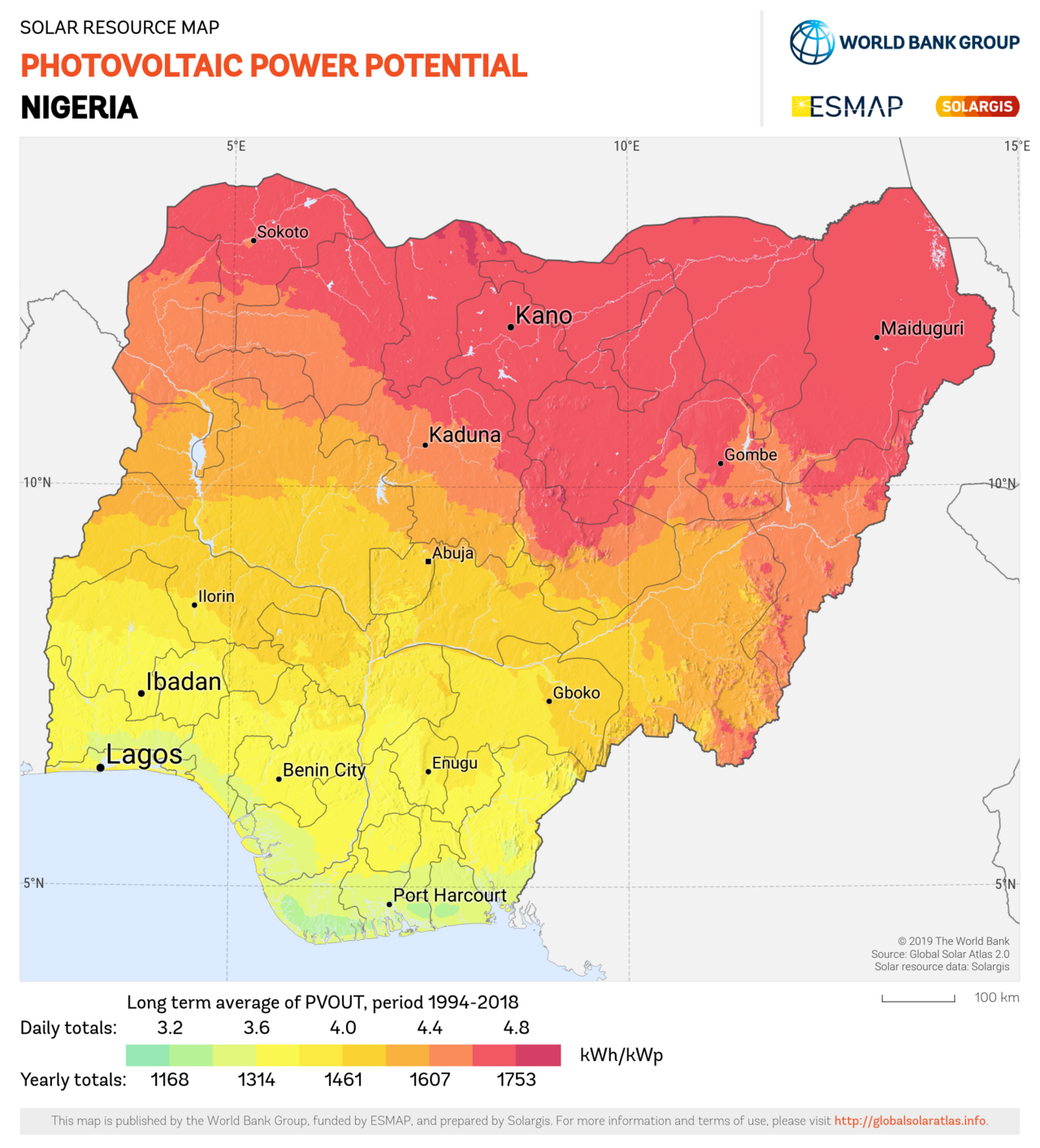
Despite previous federal assurances and various public-private interventions, the national grid continues to hover around precarious capacity thresholds. Industry stakeholders maintain that until decentralized energy solutions, increased solar penetration, and robust transmission redundancy are fully implemented, the specter of a national blackout will continue to haunt millions of citizens.
Conclusion: Moving Beyond Temporary Fixes
As the legislative investigation gets underway in Abuja, the pressure is mounting on power sector operators to deliver permanent engineering solutions rather than temporary palliatives. For residents and corporate entities in Lagos, Abuja, and beyond, the ultimate demand remains straightforward: a stable, reliable electricity supply capable of driving the nation’s economic potential forward.