
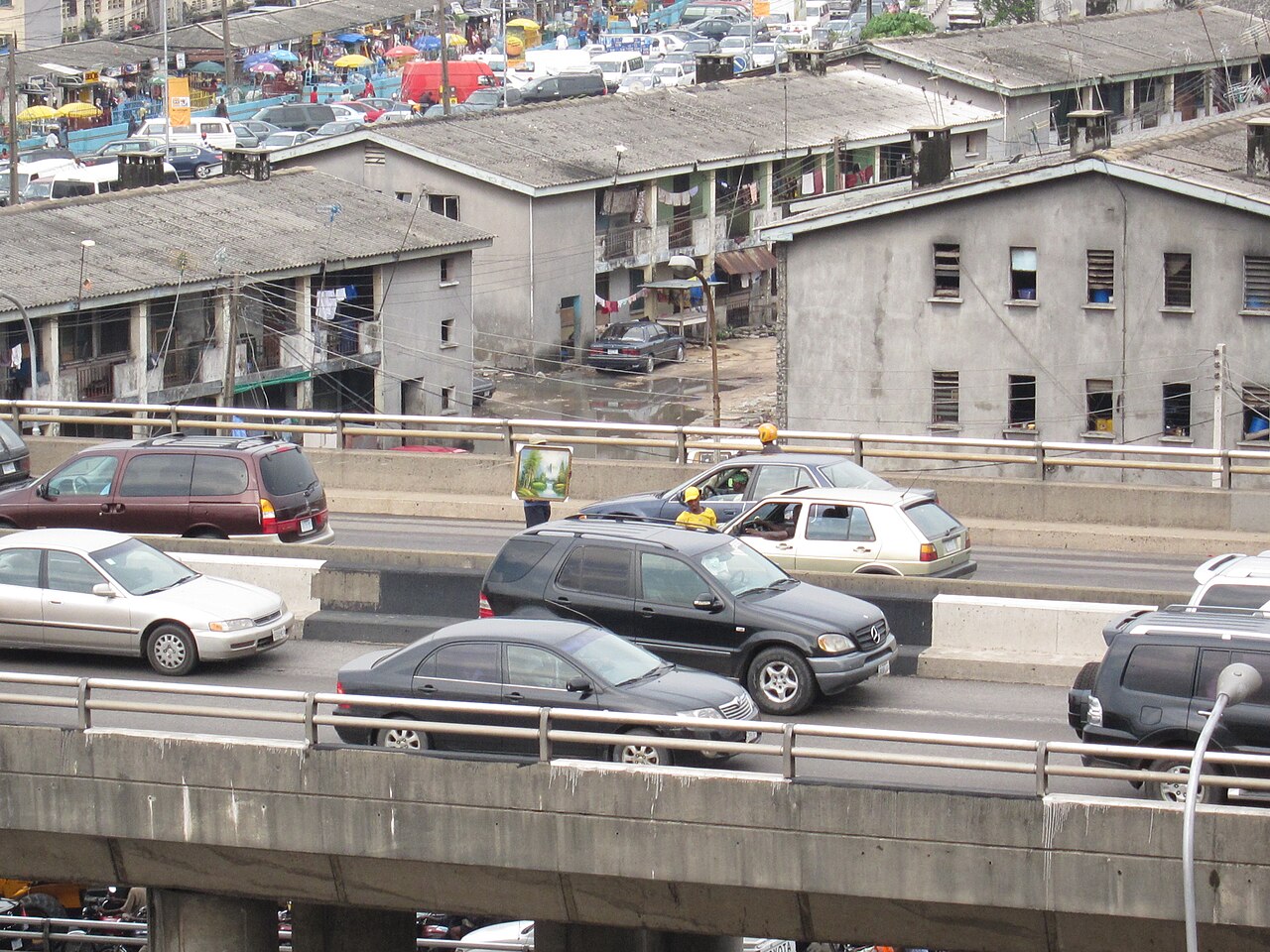
Understanding the 2026 Lagos Traffic Law Overhaul
The political and legislative corridors of Lagos are buzzing as the state legislature initiates a comprehensive review of the existing state transportation edicts. In a move designed to streamline urban mobility and enforce stricter accountability among commercial transport operators, the Lagos State House of Assembly has advanced a bill aimed at overhauling penalties tied to the Lagos traffic law.
For years, commercial drivers—popularly known as *danfo* operators and *okada* riders—have frequently clashed with enforcement agencies like the Lagos State Traffic Management Authority (LASTMA). The proposed legislative amendments seek to replace heavy-handed vehicle impoundments with digitized fine systems, while simultaneously ramping up custodial sentences for reckless driving that endangers commuters.
Legislative Intentions and Stakeholder Reactions
Speaking from the legislative chambers in Ikeja, key committee members emphasized that the 2026 review is not merely punitive, but corrective. With Lagos positioned as Nigeria’s financial epicentre, maintaining seamless logistics is vital for economic productivity. However, transport unions, including the National Union of Road Transport Workers (NURTW) and the Road Transport Employers Association of Nigeria (RTEAN), have expressed mixed reactions.
Key Provisions of the Proposed Amendment
- Digitized Penalty Points: Moving away from physical cash fines to a points-based driver’s licence tracking system.
- Modified Impoundment Rules: Restricting outright vehicle seizures to severe offenses, minimizing traffic gridlock caused by enforcement towing.
- Mandatory Re-orientation: Requiring traffic offenders to undergo compulsory retraining at the Lagos State Driver’s Institute (LASDRI).
While transport union leaders acknowledge the need for order on major corridors like the Oshodi-Apapa Expressway and the Third Mainland Bridge, they have called for reduced fine thresholds to cushion the economic realities facing everyday operators.
Broader Implications for Urban Mobility
As discussions progress, urban planners in both Lagos and Abuja are closely monitoring the framework. If successfully passed and implemented, this legislative update could serveas a blueprint for other urban centers grappling with chaotic commuter systems. The Lagos State Government continues to urge all stakeholders to participate in the upcoming public hearings to ensure a balanced, progressive transport policy for the state.