


Driving Agricultural Transformation Through the IFAD-VCDP Initiative
In a renewed effort to combat post-harvest losses and enhance rural livelihoods, the International Fund for Agricultural Development and Value Chain Development Programme (IFAD-VCDP) recently hosted a landmark commodity fair in Kogi State. The event, which brought together farmers, processors, and agricultural stakeholders from across the region, heavily emphasized the critical need for agricultural value addition to scale up commercial farming in Nigeria.
As food security remains a paramount concern for households in Lagos, Abuja, and rural food baskets alike, stakeholders at the Lokoja fair demonstrated how processing raw cassava and rice into finished, packaged goods can exponentially increase revenue for smallholder farmers. The initiative aligns closely with broader federal and state objectives to diversify the Nigerian economy away from oil dependency and build a resilient, agro-industrialized sector.
Empowering Local Farmers and Enhancing Market Competitiveness
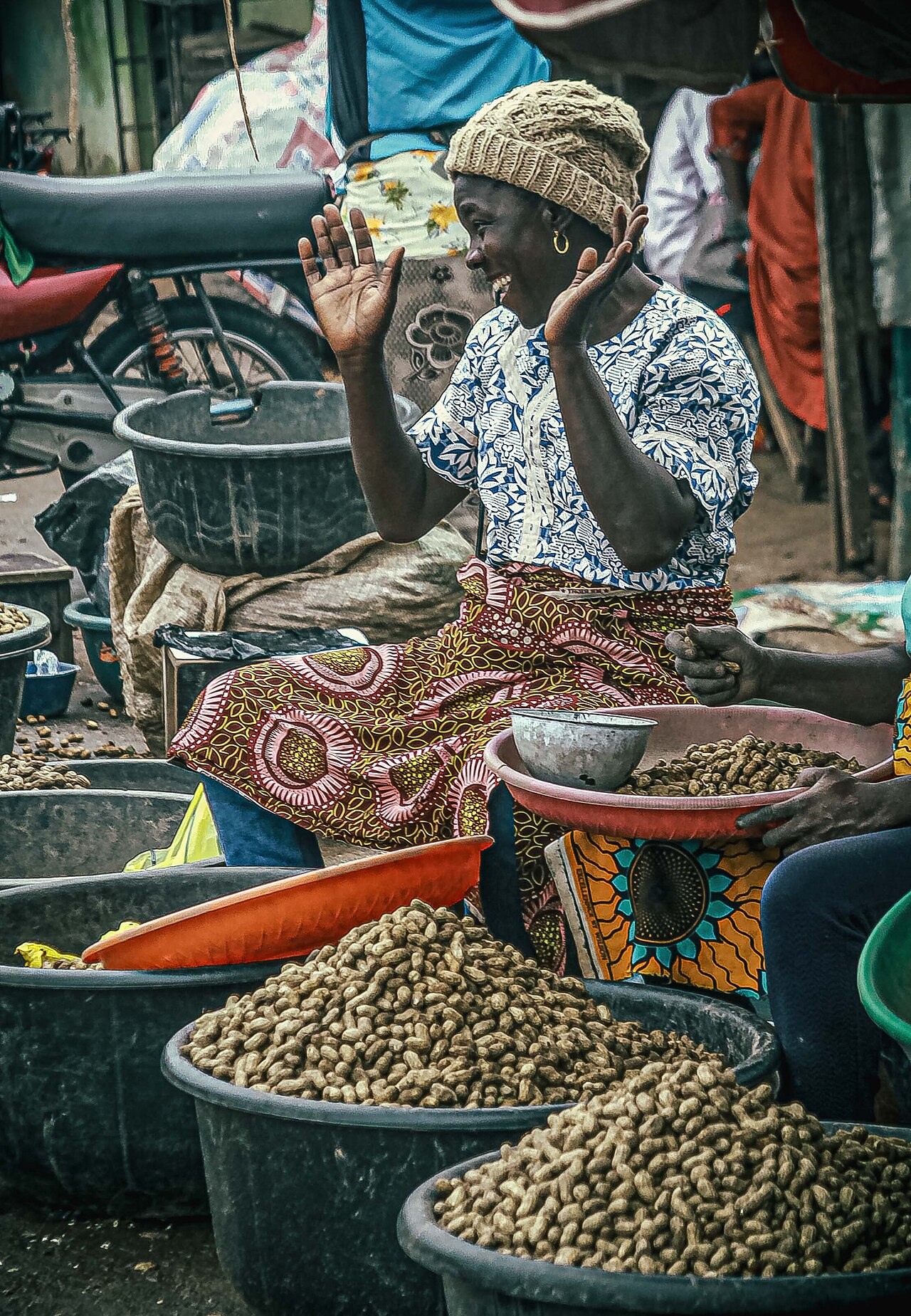
The fair served as a vibrant marketplace and a knowledge-sharing hub. Farmers were exposed to modern processing technologies, improved packaging standards, and direct market linkages that bypass exploitative middlemen. According to program coordinators, transitioning from raw commodity sales to refined consumer goods is the master key to unlocking sustainable wealth in rural agricultural communities.
Key Highlights from the Kogi Commodity Fair:
- Technology Adoption: Introduction of mechanized cassava grating, pressing, and bagging machinery to local cooperative groups.
- Financial Linkages: Facilitation of direct micro-credit access through participating commercial banks and development finance institutions.
- Quality Standardization: Training sessions focused on meeting NAFDAC and SON regulatory requirements for packaged agricultural products.
By prioritizing agricultural value addition, participating farmers noted a significant reduction in perishable crop waste, allowing them to store goods longer and sell during peak pricing windows. This economic buffer is particularly vital as rural households navigate ongoing inflationary pressures affecting the broader Nigerian economy.
The Road Ahead for Agro-Industrialization in Nigeria
While states like Kogi continue to pioneer grassroots interventions through partnerships like the IFAD-VCDP, experts argue that nationwide scaling requires robust infrastructural backing—specifically uninterrupted power supply, better feeder roads connecting farms to urban centers in Abuja and Lagos, and affordable credit facilities. As agricultural stakeholders look toward the future, the success of the Kogi fair stands as a blueprint for sustainable rural development and robust economic self-sufficiency across Nigeria.