

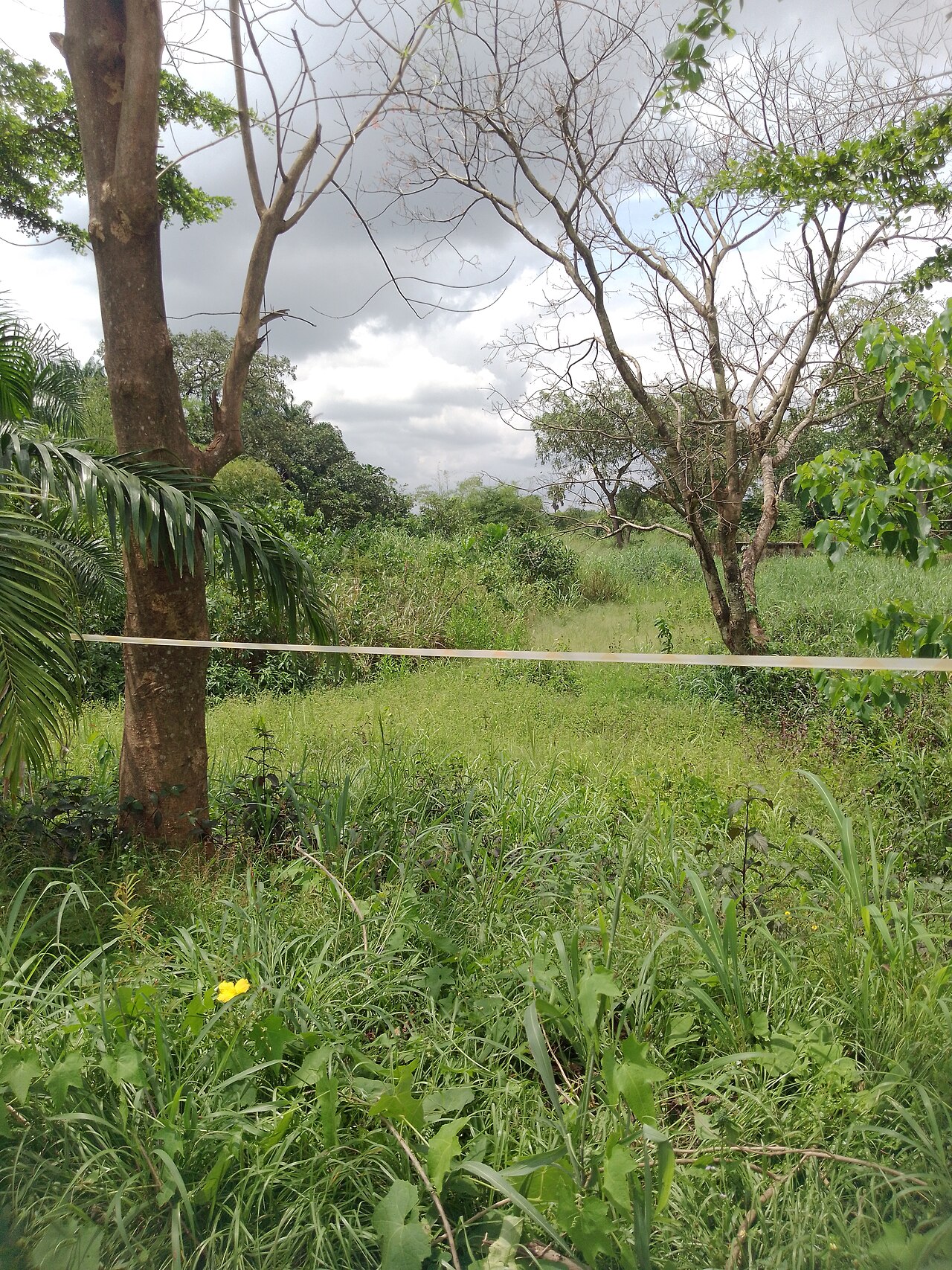

Combating the Environmental Crisis: Federal Government Takes on Commercial Charcoal Merchants
As the ecological toll of unchecked commercial activities continues to threaten local ecosystems, the Federal Government has issued a stern warning to charcoal merchants across the country. The rapid rise in tree felling for commercial fuel production has triggered immediate intervention from environmental authorities aiming to halt compounding climate pressures in communities from Lagos to Abuja.
Environmental regulators note that the insatiable demand for domestic and international export of charcoal has accelerated forest degradation at an alarming rate. This unchecked exploitation not only strips the land of vital green cover but also exacerbates soil erosion, disrupts local agriculture, and intensifies desertification trends in vulnerable regions.
The Economic Versus Environmental Dilemma in Nigeria
While the charcoal trade provides a vital source of livelihood for many rural operators and transporters, government officials emphasize that short-term economic gains cannot outweigh long-term environmental catastrophe. The Ministry of Environment has reiterated that unauthorized logging and commercial burning operations will face severe legal consequences as enforcement task forces ramp up surveillance.
- Accelerated Desertification: Unregulated logging threatens the ecological balance in northern and middle-belt states.
- Export Sanctions: Authorities are tightening trade checkpoints to curb the illegal shipment of forest products.
- Alternative Energy Push: The administration is concurrently promoting Liquefied Petroleum Gas (LPG) and cleaner cooking alternatives to ease dependency on wood fuel.
Sustainable Pathways Forward for Local Businesses
Industry stakeholders and agricultural cooperatives are being urged to transition toward sustainable forestry management and certified alternative energy solutions. Without a coordinated shift toward conservation, the long-term viability of Nigeria’s natural resources remains severely compromised, threatening both local communities and broader climate commitments.