
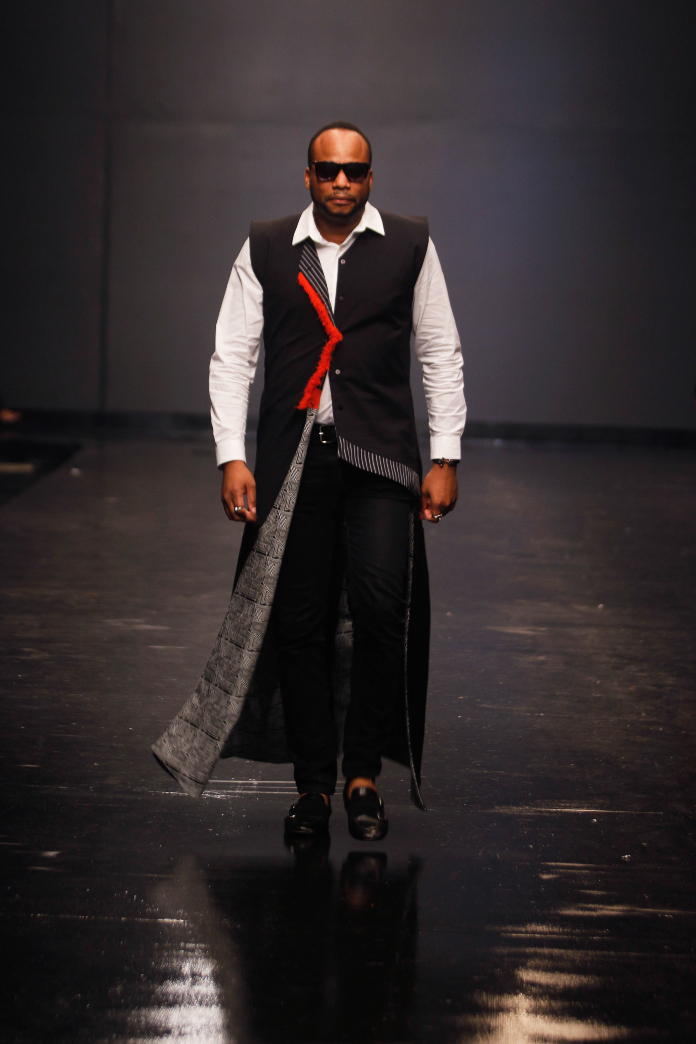
Introduction to Lagos Fashion Week 2026
The landscape of global style is undergoing a massive shift, and at the absolute center of this creative revolution is the vibrant heartbeat of West Africa. Lagos Fashion Week 2026 has officially opened its doors, drawing international buyers, elite stylists, and fashion enthusiasts to the commercial capital of Nigeria. As local artisans and high-end creators merge traditional heritage with avant-garde aesthetics, the event solidifies its status as a premier global fashion fixture, rivalling runways in Paris, Milan, and New York.
The Economic Power of Contemporary Nigerian Style
Beyond the breathtaking silhouettes and high-octane runway presentations, the Lagos Fashion Week phenomenon is a powerhouse driving significant economic growth. The domestic fashion and textile ecosystem continues to generate thousands of direct and indirect jobs across Lagos and Abuja. From skilled artisans weaving indigenous fabrics to logistics providers and digital marketers, the creative economy is proving to be a formidable pillar of Nigeria’s non-oil GDP. Investors are increasingly pouring venture capital into indigenous ready-to-wear labels, recognizing the immense global appetite for authentic African luxury.
Sustainable Practices and Local Sourcing
A defining theme of this year’s showcase is the aggressive push toward sustainability. Forward-thinking Nigerian designers are heavily prioritizing eco-friendly sourcing, upcycled textiles, and ethical labor practices. By utilizing locally sourced organic cotton, adire, and hand-loomed fabrics, these creative directors are minimizing carbon footprints while simultaneously preserving centuries-old craftsmanship. This commitment to sustainable luxury is capturing the attention of conscious international consumers and top-tier global retail giants.
Global Expansion and International Runway Recognition
The influence of Nigerian designers no longer stops at national borders. Major international stockists and luxury department stores are eagerly scouting the tents of Lagos Fashion Week to secure exclusive collections. By leveraging digital platforms and global e-commerce shipping networks, local brands are scaling at an unprecedented rate. Celebrities and international style icons are frequently spotted wearing made-in-Nigeria pieces on global red carpets, cementing the country’s dominance as a cultural export powerhouse.
Conclusion
As Lagos Fashion Week 2026 continues to captivate audiences with unmatched creativity and bold sartorial statements, the future of the continent’s fashion industry shines brilliantly. The convergence of heritage craftsmanship, sustainable innovation, and aggressive business acumen ensures that Nigerian style will dictate global trends for generations to come.