
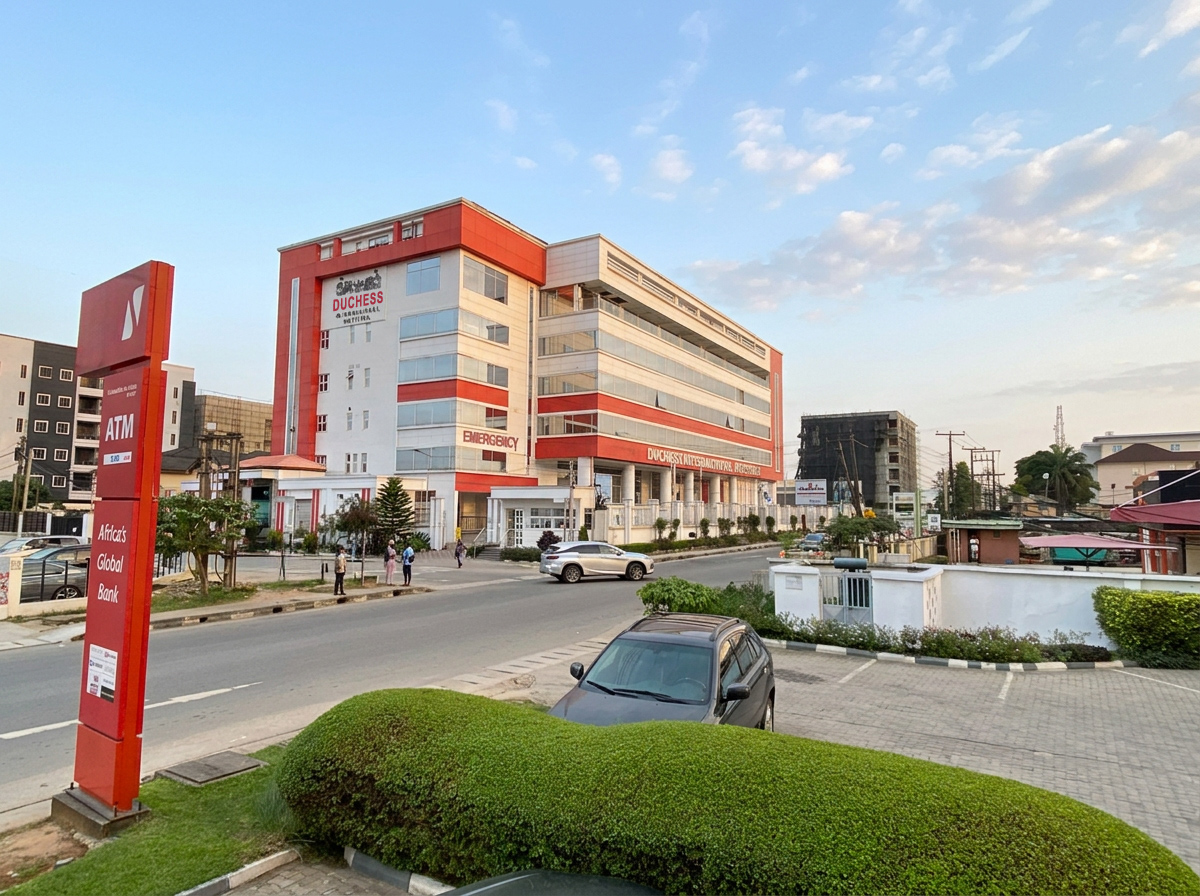
Tackling Overcrowding in Lagos Public Hospitals
As the population of Lagos State continues to surge, public healthcare facilities have increasingly come under intense pressure. To address this growing challenge, the Lagos State Government has intensified its call for residents to embrace the Lagos Health Insurance Scheme, popularly known as ILERA EKO. State health authorities believe that widespread adoption of health insurance is the most viable path to decongesting public hospitals and ensuring equitable access to quality medical services across the metropolis.
During a recent sensitization drive across various local government areas, health officials emphasized that walk-in patients paying out-of-pocket continue to overwhelm tertiary and secondary health institutions like the Lagos State University Teaching Hospital (LASUTH) and general hospitals. By shifting towards a prepaid insurance model, the state aims to streamline patient distribution, directing primary healthcare needs to accredited primary health centers (PHCs) while reserving major hospitals for critical cases.
How ILERA EKO is Transforming Healthcare Access in Lagos
Introduced to bridge the healthcare financing gap, ILERA EKO offers affordable health plans tailored to the diverse economic strata of residents in the state. From formal sector workers to informal traders, artisans, and vulnerable groups, the scheme covers a wide range of medical services, including:
- Routine consultations and general medical check-ups
- Prescription medications and laboratory investigations
- Maternity care, antenatal services, and normal deliveries
- Minor surgeries and emergency treatments
By registering for the Lagos Health Insurance Scheme, subscribers gain immediate access to a vast network of both public and private healthcare providers. This decentralization ensures that patients do not have to travel long distances or endure endless queues at major state hospitals for minor ailments like malaria or routine check-ups.
Steps for Residents to Enroll in the Lagos Health Insurance Scheme
Getting onboarded onto the ILERA EKO platform has been simplified through digital integration and physical registration desks spread across all 20 Local Government Areas (LGAs) and 37 Local Council Development Areas (LCDAs) in Lagos. Residents can follow these straightforward steps to secure their health coverage:
- Visit the Official Portal: Navigate to the official ILERA EKO website or download the mobile application designed for seamless registration.
- Choose a Plan: Select a package that fits your financial capacity and family size. Standard packages are available for individuals and families on an annual subscription basis.
- Provide Valid Identification: Submit necessary personal details, including a valid means of identification and passport photographs.
- Complete Payment: Make the required premium payment through secure online gateways or designated partner banks across Lagos.
- Select a Preferred Provider: Choose an accredited hospital close to your residential or work address for easy access during emergencies.
The Broader Impact on Nigeria’s Healthcare Ecosystem
The push by the Lagos State Government aligns with broader national discussions on achieving Universal Health Coverage (UHC) in Nigeria. Public health analysts note that out-of-pocket spending remains the highest barrier to healthcare access, often pushing vulnerable families into deeper poverty when faced with sudden medical emergencies. By strengthening the Lagos Health Insurance Scheme, the state is setting a benchmark for other sub-nationals to follow in reforming health financing.
Residents are therefore encouraged to take advantage of the subsidized rates and comprehensive coverage options currently available. Embracing health insurance not only guarantees financial risk protection for individual households but also plays a crucial civic role in building a more efficient, less congested, and highly responsive healthcare system for the entire state.