
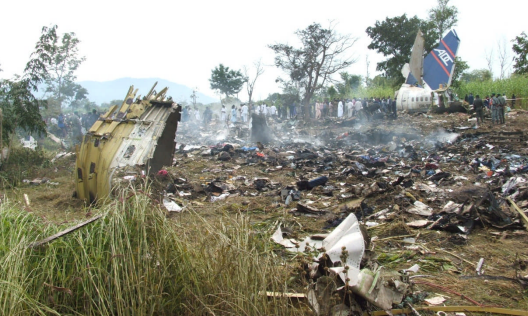
Aviation Safety Standards in the Spotlight
Following the recent air incident in Ondo State, the Federal Government has taken decisive action. Minister of Aviation and Aerospace Development, Festus Keyamo, alongside the nation’s Air Chief, has initiated a high-level strategic partnership aimed at overhauling aviation safety standards across the country. The move marks a critical turning point in how civil and military aviation authorities coordinate airspace management and emergency response protocols in Nigeria.
The collaboration comes on the heels of intense public scrutiny and investigations into the Ondo crash. Stakeholders across Lagos and Abuja have repeatedly called for tighter regulations, better radar coverage, and seamless communication between civilian flight operators and military installations. This new pact seeks to eliminate blind spots in Nigerian airspace.
Deepening Civil-Military Aviation Cooperation
During the closed-door strategic session in Abuja, Keyamo emphasized that safety cannot be compromised for expediency. The partnership will focus on joint safety audits, shared radar data, and synchronized emergency preparedness frameworks. Civil-military aviation safety has historically faced bureaucratic bottlenecks, but the current administration is pushing for a unified command approach when handling distress calls and navigational hazards.
Key Pillars of the New Safety Framework
- Integrated Radar Systems: Bridging the gap between civilian air traffic control and military surveillance feeds.
- Joint Safety Audits: Conducting rigorous inspections of all active air fleets operating within Nigerian airspace.
- Enhanced Training Protocols: Standardizing emergency response drills for both military and commercial flight crews.
Implications for Passengers and the Nigerian Economy
With major domestic hubs operating at peak capacities in Lagos, Abuja, and Port Harcourt, restoring public confidence in air travel is paramount. Industry analysts note that robust aviation safety standards directly impact foreign direct investment, tourism, and business travel within the West African sub-region. As the joint committee rolls out its phased implementation plan over the coming weeks, the international aviation community will be watching closely to see how effectively Nigeria enforces these critical safety reforms.