
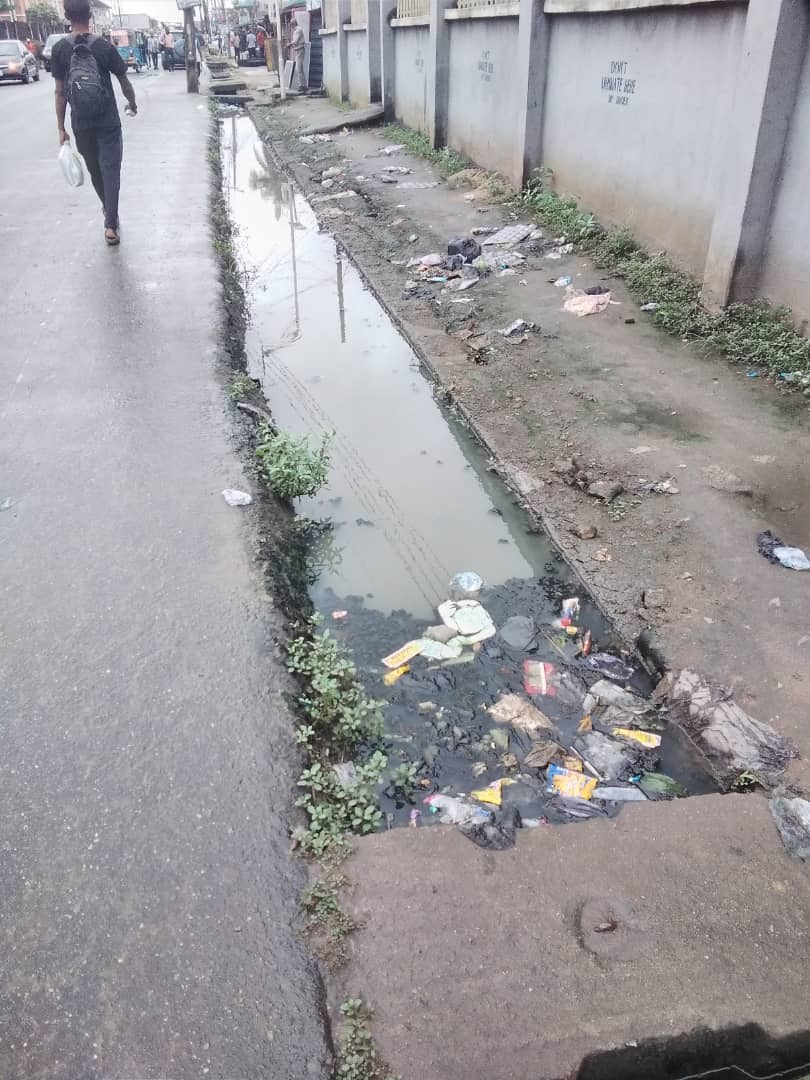
Rivers Flooding Disease Outbreak Sparks Urgent Public Health Concerns in Port Harcourt
As heavy seasonal rains continue to submerge low-lying communities across the Niger Delta, the Rivers Flooding Disease Outbreak threat has reached critical levels. Resident doctors in Rivers State have issued a stern warning regarding an imminent surge in waterborne and vector-borne infections across Port Harcourt and surrounding local government areas.
Speaking under the umbrella of the Nigerian Association of Resident Doctors (NARD), medical professionals pointed to compromised sanitation infrastructure, overflowing sewage systems, and a severe lack of clean drinking water as primary catalysts for the unfolding public health crisis.
The Mounting Public Health Crisis in Port Harcourt
With major roads, residential compounds, and markets submerged following torrential downpours, thousands of residents have been forced to wade through stagnant, contaminated floodwaters. Medical facilities in the state capital are already reporting an uptick in presentations related to acute gastrointestinal illnesses.
Diseases Under Surveillance
Public health experts have highlighted several high-risk conditions threatening vulnerable populations, particularly children and the elderly:
- Cholera and Typhoid: Driven by the contamination of local boreholes and public water sources with sewage.
- Lassa Fever and Leptospirosis: Amplified by the displacement of rodents and other disease vectors seeking shelter in residential areas.
- Malaria: Spurred by an exponential increase in mosquito breeding sites created by stagnant pools of water left behind by the receding floods.
Health authorities are urging the Rivers State Government and relevant federal agencies to ramp up emergency medical interventions, fumigation exercises, and the distribution of water purification tablets to affected communities.
Government Response and Mitigation Strategies
In response to the growing alarm, community leaders and civil society organisations are calling for the immediate establishment of temporary mobile clinics in the worst-hit zones of Port Harcourt. While drainage clearance operations are underway in select districts, residents remain anxious as meteorological agencies predict further rainfall in the coming weeks.
The medical community reiterates that proactive containment measures are vital to preventing a full-scale epidemic, urging citizens to practice strict hygiene, boil drinking water, and seek immediate medical attention at the first sign of illness.