
Emergency Intervention for Ebonyi Flood Victims
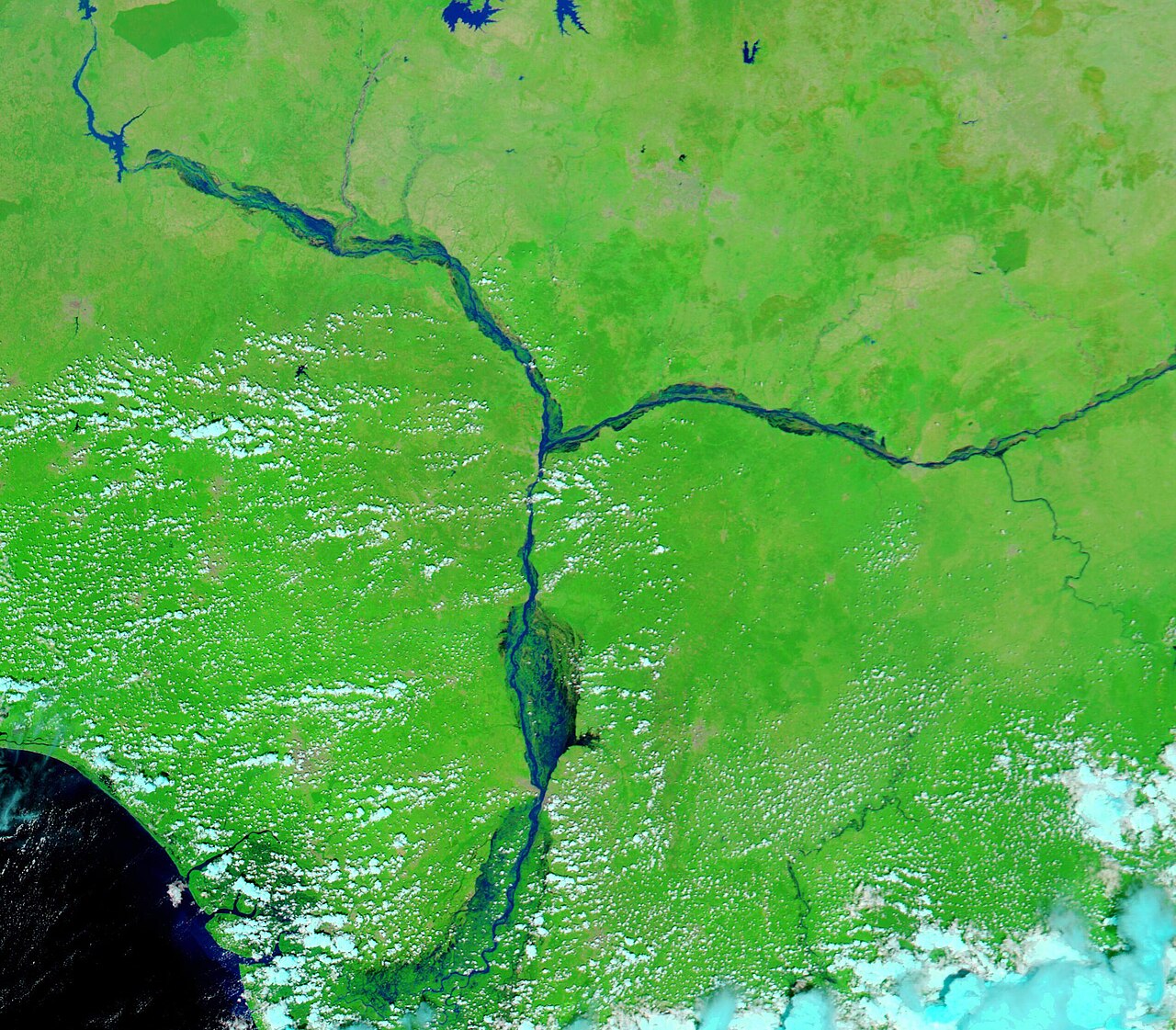
In response to the recent ecological emergencies ravaging parts of the country, the National Emergency Management Agency (NEMA) has swiftly moved to distribute critical relief materials to Ebonyi flood victims. The intervention comes on the heels of severe flash floods that swept through vulnerable communities, displacing families and destroying hundreds of hectares of valuable farmlands.
The disaster, which caught many local residents unawares, has once again brought to the fore the urgent need for robust climate resilience frameworks across states outside the usual coastal corridors of Lagos and the political corridors of Abuja. For weeks, relentless downpours have swelled local rivers, overflowing their banks and submerging residential buildings in several rural settlements within Ebonyi State.
NEMA Relief Package and Distribution Strategy
According to agency reports, the comprehensive emergency package deployed by NEMA includes essential food items, sleeping materials, building maintenance tools, and medical supplies designed to cushion the immediate shock of the disaster. State emergency coordinators, working hand-in-hand with local community leaders, ensured that the distribution reached the worst-hit households directly.
Speaking on the operation, disaster management officials emphasized that the Federal Government remains committed to mitigating the impacts of natural disasters nationwide. “Our primary focus right now is to restore a sense of dignity and immediate survival to those who lost their livelihoods overnight,” an agency spokesperson noted during the flag-off of the distribution exercise.
The Broader Threat of Flash Floods in Nigeria
While attention frequently centers on major urban centers like Lagos and Abuja, rural agricultural belts such as Ebonyi remain profoundly vulnerable to weather anomalies. Agricultural experts have warned that repeated flooding poses a severe threat to local food security, washing away yam, cassava, and rice yields just weeks before harvest periods.
Local authorities are now urging residents in flood-prone zones to heed early warning signals issued by meteorological agencies. Moving forward, structural investments in drainage systems and elevated community shelters will be vital to preventing recurrent humanitarian crises whenever heavy seasonal rains pound the region.