
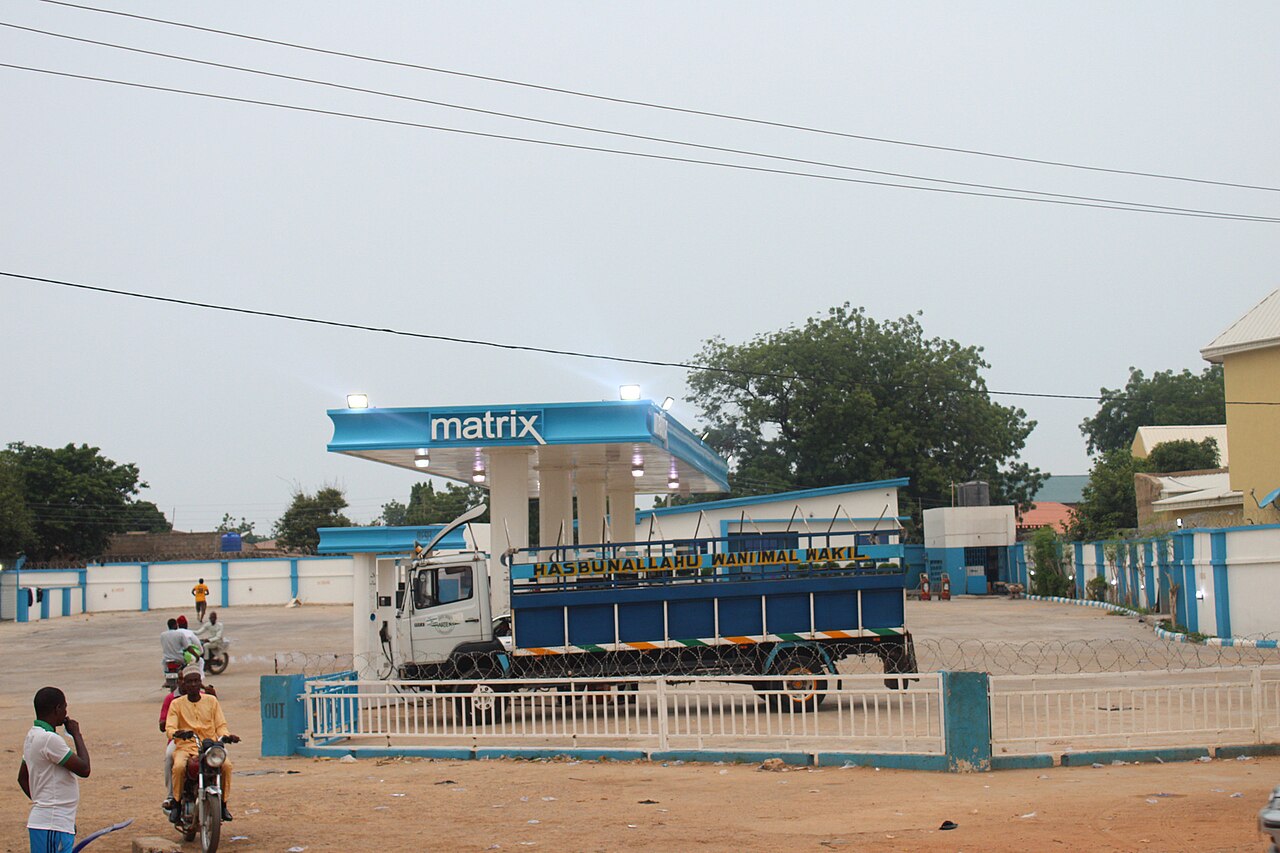
Understanding the 86% Fuel Price Hike Across Nigeria
The economic landscape of Nigeria continues to face severe headwinds following fresh data revealing an astronomical fuel price hike. According to recent reports tracking consumer goods and energy costs, the pump prices for petrol and diesel have surged by an alarming 86% over an eight-month period. This staggering increase has sent shockwaves through major commercial hubs like Lagos and Abuja, directly impacting transportation networks, manufacturing outfits, and everyday household budgets.
As the federal government continues to navigate the removal of fuel subsidies and fluctuating global market dynamics, ordinary citizens and corporate entities are bearing the heavy brunt of skyrocketing energy expenses. Public transport operators in Lagos have already adjusted their fare matrices, citing the unbearable cost of powering commercial buses and tricycles.
Impact on Small Businesses and Manufacturing in Lagos and Abuja
For small and medium-sized enterprises (SMEs) operating in Nigeria, the ongoing fuel price hike threatens operational survival. Many businesses depend heavily on diesel generators to sustain daily production due to the persistent unreliability of the national grid. With diesel costs reaching historic highs, manufacturing plants, tech hubs, and retail outlets find their profit margins squeezed to the absolute limit.
- Logistics Strain: Delivery and dispatch services have introduced emergency surcharges to absorb rising diesel expenditures.
- Production Costs: Factories in industrial zones report a massive decline in output capacity as energy overheads skyrocket.
- Consumer Inflation: Retail prices for food items and essential commodities have multiplied in tandem with transport overheads.
Economic Analysts Propose Sustainable Solutions
Economic experts and market analysts have continually urged the federal administration to fast-track domestic refining capacities and invest heavily in compressed natural gas (CNG) alternatives. While long-term infrastructural policies are underway, immediate palliatives are deemed necessary to cushion vulnerable populations from the immediate shock of the fuel price hike.
As stakeholders await comprehensive monetary interventions from the Central Bank of Nigeria and fiscal authorities, the overarching sentiment among Nigerians remains one of cautious resilience. The coming quarters will prove critical in determining whether regulatory adjustments and local refinery expansions can stabilize energy costs and restore purchasing power to the Nigerian populace.