
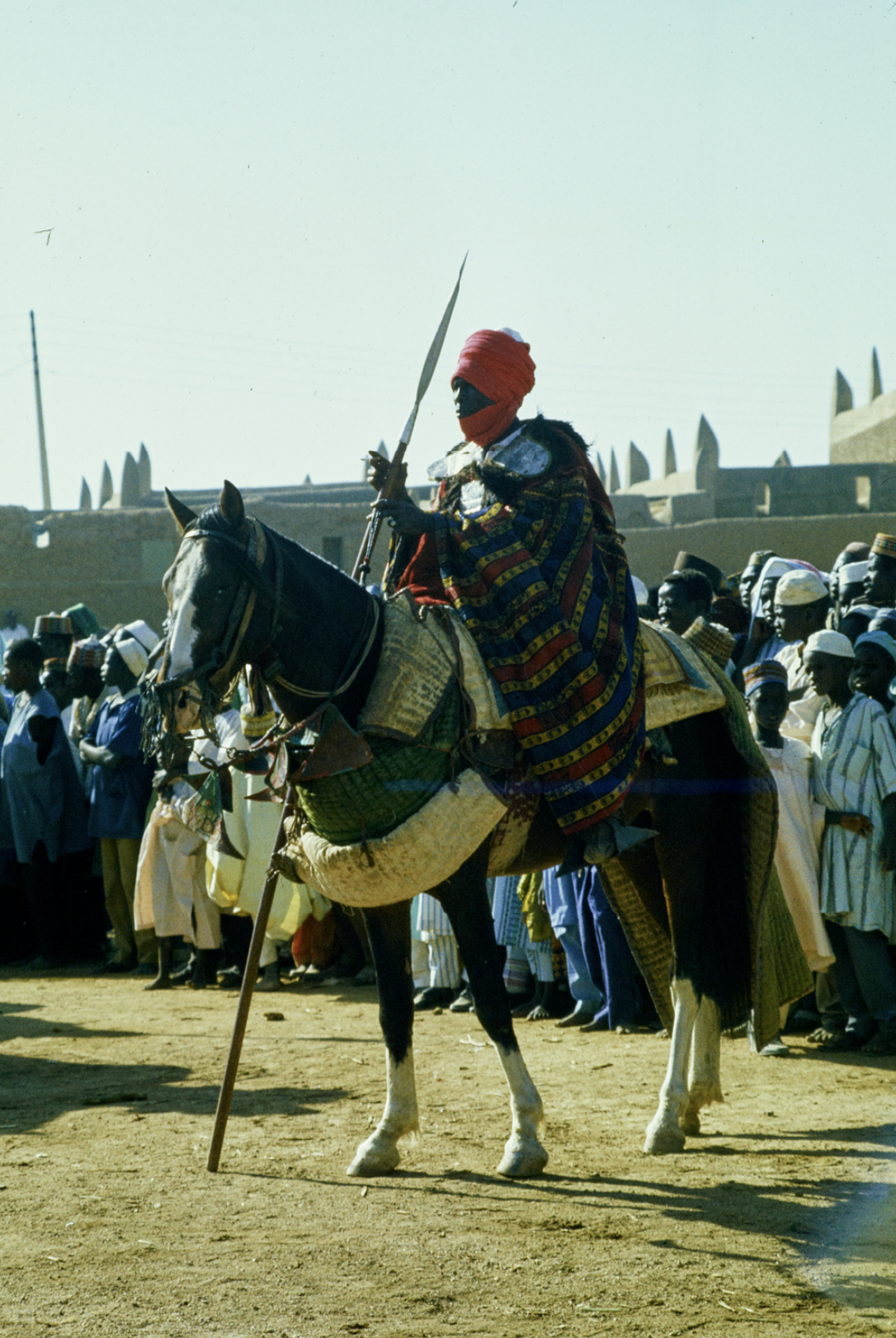
Kano State Government Imposes Strict Ban on Traditional Horse-Riding and Durbar Processions
In a sweeping administrative and security directive that has sent shockwaves through Northern Nigeria, the Kano State Government has officially announced a total restriction on all traditional Kano Durbar processions and horse-riding activities across the state. This high-stakes decision comes at a critical time when security agencies are reviewing public gathering protocols to maintain law and order within the ancient commercial hub.
For centuries, the colourful display of horses, royal guards, and elaborate traditional attire has remained the heartbeat of heritage in Kano, drawing thousands of tourists, culture enthusiasts, and spectators to the streets. However, recent intelligence reports and escalating security concerns have forced state authorities to take drastic measures to safeguard lives and property.
Understanding the Security Implications Behind the Kano Restriction
The decision to halt these iconic cultural displays was not made lightly. According to top state security officials speaking from Kano, large crowds gathered during unscheduled or poorly regulated traditional processions present significant security vulnerabilities. Insiders reveal that state actors are stepping up surveillance to prevent opportunistic criminal elements from hijacking mass cultural gatherings.
- Public Safety Priority: State authorities emphasized that the primary responsibility of the government is the protection of citizens.
- Intelligence Reports: Security agencies flagged potential threats that could arise from unmonitored mass movements in densely populated metropolitan areas.
- Preserving Peace: The restriction aims to curb potential civil unrest and friction among rival traditional factions in the state.
Cultural and Economic Impact on the Ancient City
While the directive is heavily backed by security operatives, local traders, artisans, and tourism stakeholders in Kano have expressed deep concerns regarding the economic fallout. The Durbar festival and associated horse-riding events traditionally inject millions of naira into the local economy, benefiting local tailors, horse breeders, and hospitality businesses.
Cultural custodians are currently engaging with government representatives to find a middle ground that balances public security with the preservation of invaluable heritage. Whether this ban will be lifted ahead of major religious festivities remains a subject of intense debate among residents and traditional titleholders alike.
What Next for Kano Residents?
As security patrols intensify across strategic locations in Kano metropolis, residents and traditional leaders have been urged to comply fully with the new directives. Failure to adhere to the restrictions on unauthorized processions will attract severe legal sanctions from law enforcement agencies.
Stay tuned to our platform for more real-time updates on this developing story straight from Northern Nigeria.