
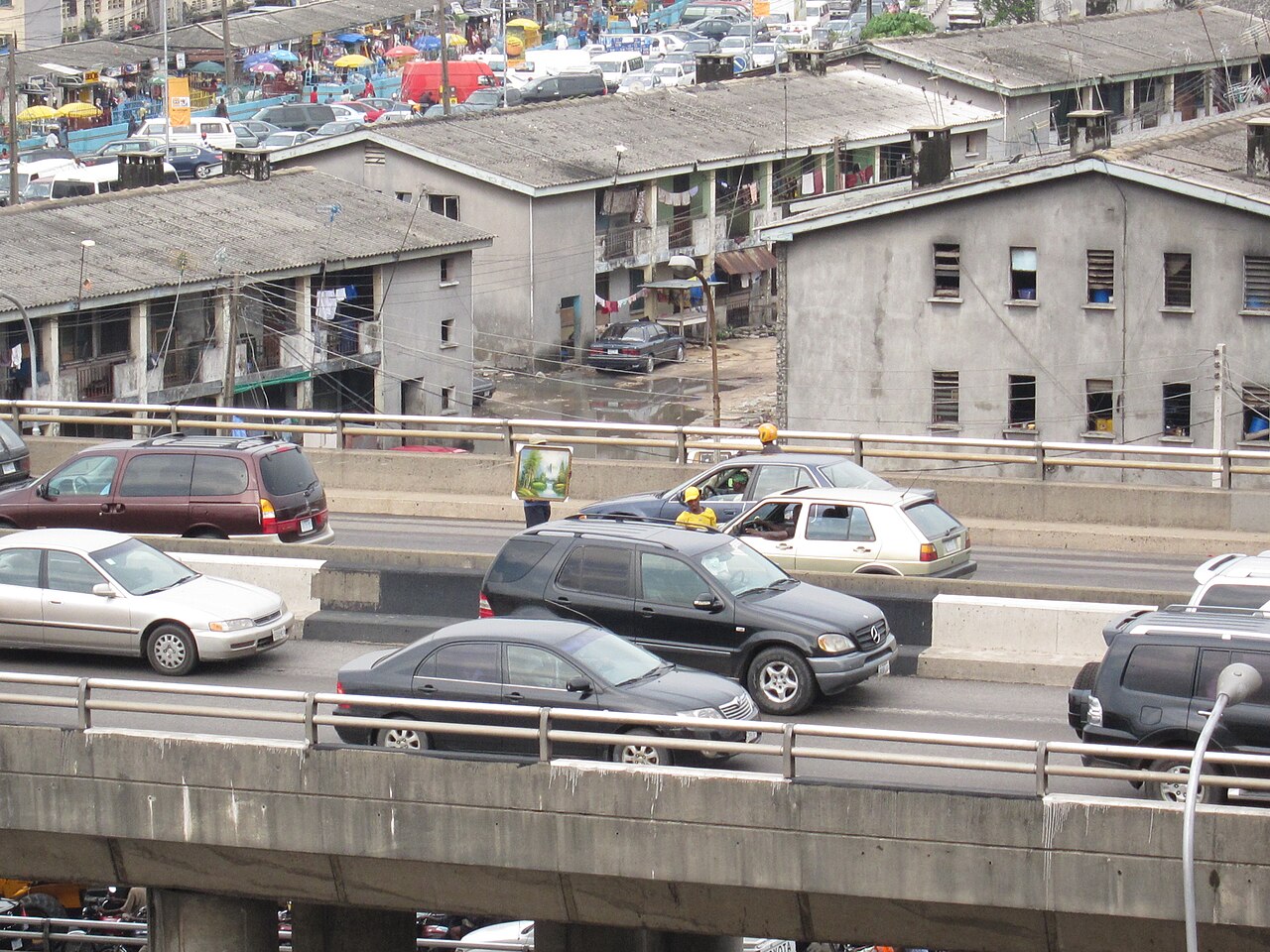
Lagos Ride-Hailing Crisis: The Impending Shutdown
Transport uncertainty is once again looming large across the vibrant commercial capital of Lagos, as commercial drivers operating under major ride-hailing platforms like Bolt and inDrive announce plans to embark on a crippling industrial action. For millions of residents who depend daily on these digital platforms to navigate the notorious Lagos traffic and beat the early morning rush from mainland to the island, this development spells major transport wahala.
The impending strike comes at a time when the Nigerian economy is already grappling with inflationary pressures, high fuel prices, and surging maintenance costs. According to union representatives and independent driver associations, the continuous refusal of app management companies to adjust commission rates and baseline fares in tandem with the current economic reality has pushed operators to the wall.
Why Bolt and inDrive Drivers Are Demanding Urgent Reforms
Speaking to industry correspondents in Lagos, aggrieved drivers highlighted a litany of grievances making daily operations virtually unsustainable. Despite the astronomical hike in petrol pump prices and spare parts following the removal of subsidies, app companies have reportedly kept fares disproportionately low, eating deep into the meager daily earnings of hardworking operators.
- Exorbitant Commission Rates: Drivers argue that taking high percentages off fares while leaving the entire burden of vehicle maintenance, fuel, and data on the operator is exploitative.
- Rising Cost of Maintenance: With the price of engine oil, tyres, and mechanical repairs hitting the roof in Lagos, running a ride-hailing business has transitioned from a profitable venture to a survival trap.
- Safety and Security Concerns: Many drivers have also raised alarms over inadequate rider verification, exposing them to armed robbery and carjacking incidents across isolated parts of Lagos and Ogun state borders.
Economic Implications for the Lagos Tech and Transport Ecosystem
The impending Bolt and inDrive strike is not merely a localized labor dispute; it represents a critical stress test for Nigeria’s expanding digital economy. Lagos, being the tech capital of West Africa, hosts a massive ecosystem of gig-economy workers who rely on these platforms for daily sustenance. When ride-hailing services grind to a halt, the ripple effect hits local businesses, corporate offices, and informal traders who depend on timely movement.
Economic analysts have repeatedly warned that ignoring the plight of gig workers threatens the sustainability of platform capitalism in developing nations. Without meaningful dialogue between app executives and driver unions, commuters will continue to bear the brunt of erratic transport policies and recurring industrial tensions.
What Commuters and Drivers Should Expect Next
As the deadline for the planned shutdown approaches, commuters are being advised to explore alternative means of transportation, including traditional yellow cabs, state-owned BRT buses, and localized carpooling systems. Meanwhile, transport stakeholders are calling on the Lagos State Ministry of Transportation to intervene urgently to broker a truce before the streets experience a total paralysis of digital mobility services.