
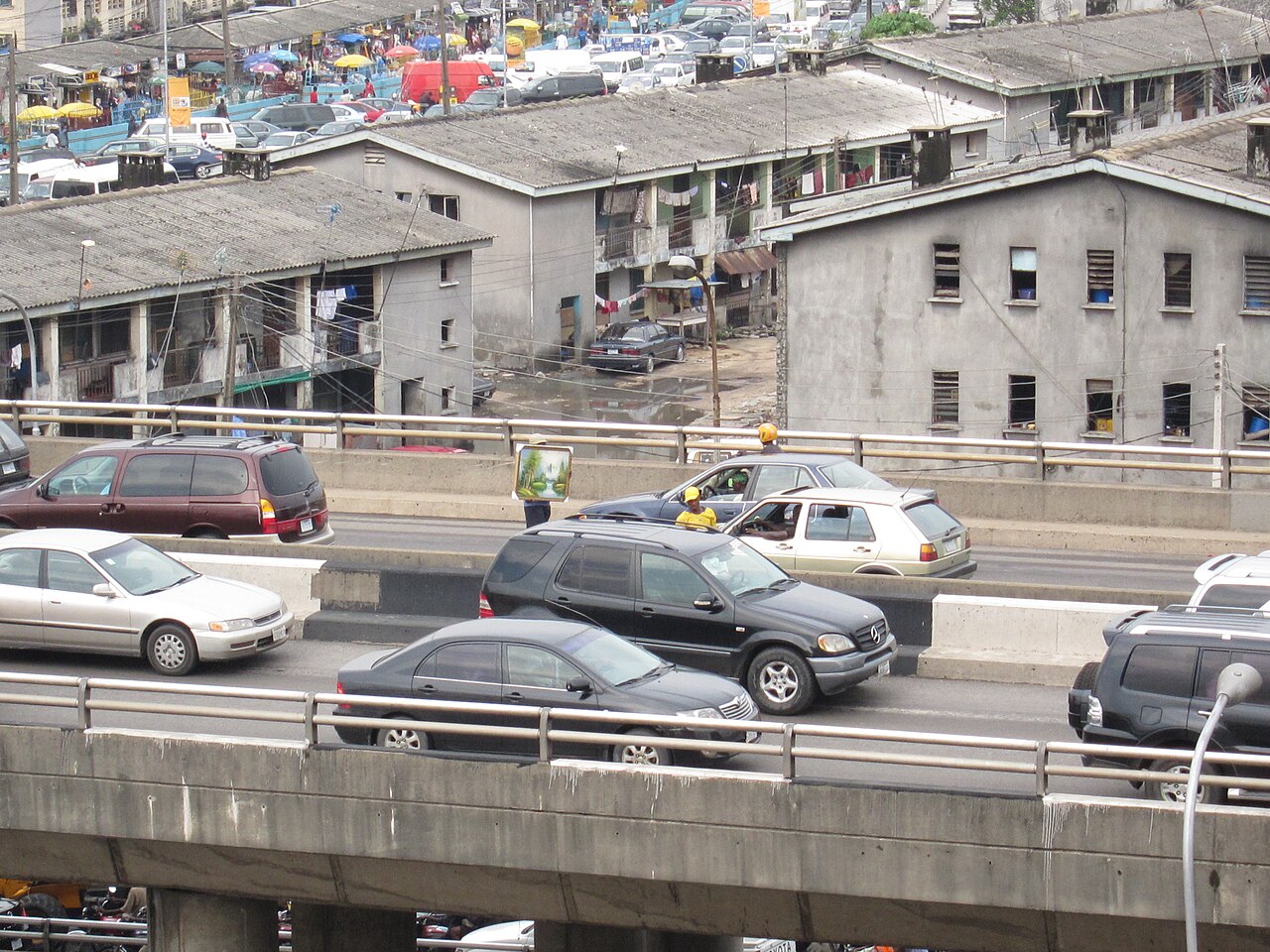
Tackling the Lagos Commuter Crisis
For millions of residents navigating Africa’s commercial capital every day, gridlock is more than just an inconvenience—it is a daily economic drain. Recently, Lagos State Deputy Governor Dr. Obafemi Hamzat reiterated the administration’s unwavering commitment to overhauling the state’s transport infrastructure. Speaking on key urban planning strategies, Hamzat emphasized that the primary goal is to make commuting faster, safer, and more efficient for everyday Lagosians.
As urban migration continues to pressure existing road networks, the conversation around Lagos traffic solutions has taken center stage in subnational governance. From expanding the rail mass transit system to restructuring the water transportation framework, the state government is deploying a multi-modal approach to tackle congestion.
Expanding Mass Transit and Rail Infrastructure
A cornerstone of the state’s master plan involves the aggressive scaling of rail transport. With the successful operation of the Blue Line and ongoing development on the Red Line, the administration aims to move hundreds of thousands of commuters away from congested arterial roads like the Lagos-Ibadan Expressway and the Oshodi-Apapa corridor.
- Blue Line Expansion: Connecting Mile 2 to Marina, reducing travel times significantly for mainland-to-island workers.
- Red Line Progress: Spanning Agbado to Oyingbo, integrating heavy rail with bus rapid transit (BRT) terminals.
- Intermodal Integration: Seamless ticketing systems allowing commuters to switch effortlessly between trains, buses, and ferries.
According to transportation analysts based in Ikeja, the success of these initiatives relies heavily on disciplined enforcement of traffic laws and continuous maintenance of public transport assets. Commuters have frequently voiced concerns over last-mile connectivity, a bottleneck the state government claims it is actively resolving through private-public partnerships.
Water Transportation as an Untapped Alternative
With a coastline stretching along the Atlantic Ocean and a vast network of lagoons and creeks, Lagos possesses natural waterways that remain underutilized. Hamzat pointed out that expanding the ferry infrastructure is critical to achieving the vision of faster commuting times. By introducing more jetties, standardizing boat safety protocols, and encouraging private operators to ply major routes like Ikorodu to Victoria Island, the state hopes to pull thousands of cars off the roads daily.
However, safety remains a paramount concern for regular passengers. The Lagos State Waterways Authority (LASWA) has intensified safety checks, mandating life jackets and cracking down on night navigation by unregistered operators to build public confidence.
The Road Ahead for Lagosians
While the state government rolls out these ambitious infrastructure upgrades, residents remain cautiously optimistic. The true test of these Lagos traffic solutions will be felt on the ground during peak rush hours, where gridlocks often stretch for miles. As the administration pushes forward with its digitalization of traffic management and infrastructural renewals, the ultimate measure of success will be hours saved for the average worker striving to build the local economy.