
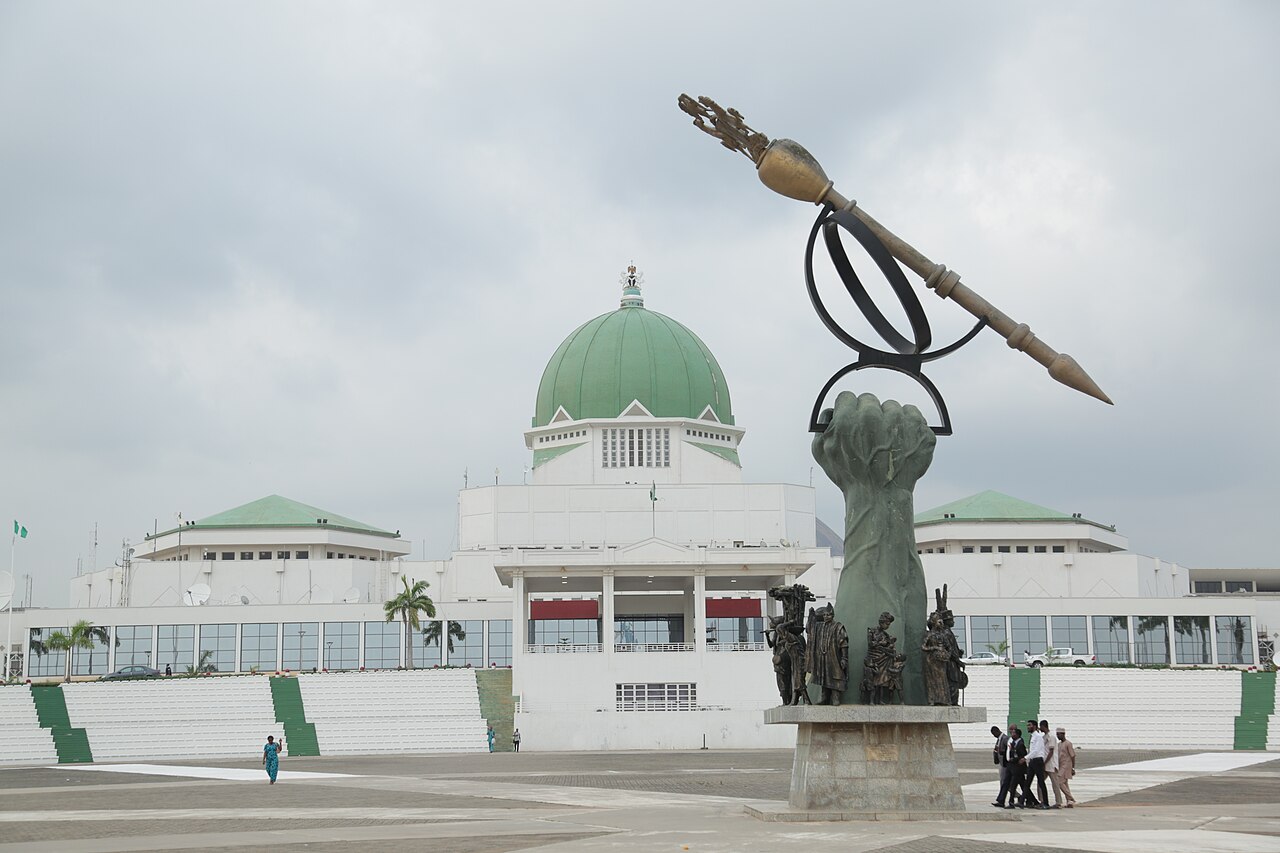
National Assembly Resumes Legislative Business in Abuja
As legislative activities officially resume at the National Assembly in Abuja, federal lawmakers are confronted with an intense and critical agenda. Top on the priority list for both the Senate and the House of Representatives are the highly anticipated constitutional amendment on state police and urgent regulatory frameworks to curb recurring tragedies within the solid minerals sector.
The resumption comes at a time when security and economic diversification are at the forefront of national discourse. Citizens across Lagos, Abuja, and other commercial hubs are watching closely to see how parliamentarians will navigate these complex legislative hurdles.
Tackling Insecurity Through State Police Legislation
For years, the structure of Nigeria’s security apparatus has faced heavy criticism for being overly centralized. With kidnapping and violent crime posing severe threats across various states, the conversation around decentralizing law enforcement has gained unprecedented momentum.
Legislators are expected to fast-track the constitutional review process to allow sub-nationals to establish their own security architecture. Proponents argue that state-backed policing will drastically improve intelligence gathering at the grassroots level, complementing federal security agencies like the Nigeria Police Force.
Balancing Federal Oversight and State Control
A major talking point during the current legislative sessions will be the operational boundaries of state security outfits. Lawmakers are tasked with drafting robust legal frameworks to prevent potential abuse of power by state executives while ensuring adequate funding, training, and equipment for personnel.
Miners’ Safety and Solid Minerals Sector Overhaul
Beyond security reforms, the recent tragic deaths of artisanal and commercial miners in various remote sites have forced the National Assembly to re-evaluate the regulatory compliance of the solid minerals sector.
Nigeria’s push to diversify its economy away from crude oil has seen a massive surge in mining activities, particularly in the northern and central regions. However, unregulated operations, illegal mining syndicates, and poor safety standards have led to fatal collapses and environmental degradation.
- Stricter Penalties: Lawmakers are pushing for stiffer sanctions against mining companies flouting environmental and safety codes.
- Formalization of Artisanal Mining: Efforts are underway to integrate small-scale miners into the formal cooperative system to provide better equipment, insurance, and safety training.
- Inter-Agency Collaboration: Enhanced synergy between the Ministry of Solid Minerals Development and security forces to flush out illegal operators.
Economic Implications for Lagos and Abuja
While the legislative debates unfold in the nation’s capital, the economic ripple effects will be felt heavily in commercial centers like Lagos. Investors and financial analysts note that a stable security environment and a well-regulated solid minerals market are crucial for attracting foreign direct investment (FDI).
As committees begin public hearings and plenary debates over the coming weeks, Nigerians expect pragmatic, people-first legislation that addresses the root causes of insecurity and economic vulnerability.