
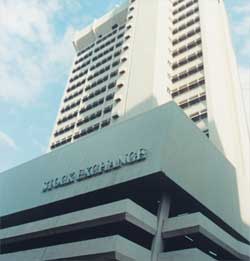
Nigeria Records Landmark Jump on Bloomberg Index
In a historic development that signals a major shift in global economic perception, Nigeria has recorded its biggest jump on Bloomberg’s most investable markets index. This upward trajectory marks a critical turning point for the nation’s financial landscape, drawing renewed attention from institutional investors and multinational corporations looking toward Lagos and Abuja for high-yield opportunities.
For years, foreign portfolio investors and direct investors have navigated a complex web of foreign exchange volatility, regulatory bottlenecks, and infrastructural deficits. However, recent fiscal policy adjustments, foreign exchange market harmonization, and aggressive economic reforms spearheaded by the federal government have begun to yield tangible results, propelling the country higher on global financial scorecards.
What the Bloomberg Investable Markets Index Means for Nigeria
The investable markets index evaluates emerging and frontier economies based on liquidity, regulatory transparency, macroeconomic stability, and accessibility for international capital. Nigeria’s recent surge is not merely a statistical anomaly; it reflects structural adjustments that have made local asset classes more attractive to risk-adjusted global portfolios.
- Enhanced Liquidity: Improvements in the official foreign exchange market have eased the repatriation of capital and dividends for multinational firms.
- Macroeconomic Adjustments: Tight monetary policies and fiscal consolidation measures have helped stabilize domestic inflation expectations.
- Capital Market Resurgence: Nigerian Exchange Group (NGX) equities continue to post strong valuations, drawing local and international participation.
Financial analysts in the commercial nerve center of Lagos and the policy hub of Abuja note that while macroeconomic headwinds persist—such as high operational costs and consumer purchasing power pressures—the long-term outlook for Nigerian equities and fixed-income securities has decidedly improved.
Bridging Policy Reform and Real Sector Growth
While an improved ranking on the Bloomberg investable markets index is a massive win for government image-makers, economic experts emphasize that the real test lies in translating paper gains into physical infrastructure and job creation. Foreign direct investment (FDI) must flow directly into manufacturing, technology, agriculture, and energy value chains rather than remaining restricted to short-term portfolio instruments.
Business leaders across Lagos and Abuja are calling for sustained regulatory consistency. If the current reform momentum is maintained, Nigeria could leverage this positive investor sentiment to bridge its massive infrastructure funding gap, attract sustainable foreign capital, and solidify its position as the premier economic powerhouse of sub-Saharan Africa.