
Deepening Diplomatic Ties: Nigeria-France Bilateral Relations Take Center Stage
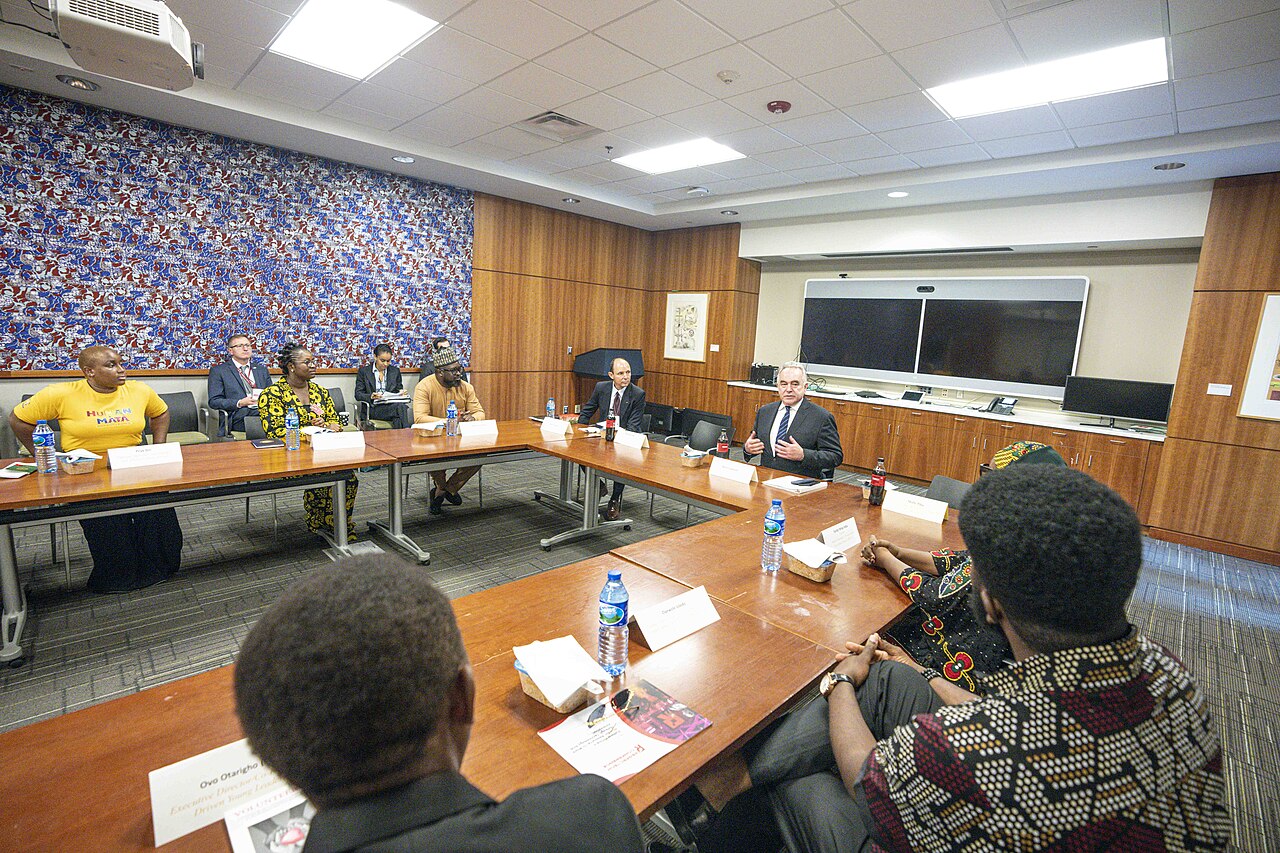
As the federal government continues to reposition its foreign policy framework, the diplomatic partnership between Abuja and Paris has entered a decisive new phase. At a recent high-level strategic briefing, key diplomatic figures outlined a renewed commitment to strengthening Nigeria-France bilateral relations, focusing heavily on regional security, mutual trade expansion, and sustainable economic investments.
This renewed diplomatic push comes at a critical time when West Africa is navigating complex geopolitical shifts. For Nigerian businesses, particularly those operating out of commercial hubs like Lagos and administrative centers in Abuja, the strengthened partnership opens up fresh avenues for foreign direct investment, technology transfer, and joint security initiatives.
Expanding Trade and Economic Cooperation
Economic diplomacy remains the cornerstone of the updated engagement strategy between both nations. Bilateral trade volumes have historically fluctuated, influenced by global energy markets and shifting supply chains. However, economic analysts note that a structured framework between Nigeria and France could significantly boost non-oil exports.
Key Sectors Targeted for Growth
- Agribusiness and Food Security: Enhanced partnerships in agricultural technology and value-chain processing to support local farmers.
- Infrastructure Development: French engineering and financial firms eyeing urban transit and renewable energy projects.
- SME Financing: Increased access to credit and partnership opportunities for Nigerian tech startups and small-scale entrepreneurs.
Market watchers in Lagos point out that European investors are increasingly looking for stable, high-growth African markets. By streamlining regulatory frameworks and improving ease-of-doing-business metrics, the federal government aims to position Nigeria as the primary destination for French capital in sub-Saharan Africa.
Addressing Regional Security Challenges
Beyond economic metrics, the dialogue heavily emphasizes collaborative security frameworks. Stability in the Gulf of Guinea and effective counter-terrorism intelligence sharing remain paramount to sustainable economic development across West Africa.
Security experts have long argued that economic prosperity cannot be divorced from regional stability. By aligning tactical intelligence and defensive capabilities, both nations hope to secure vital trade routes and protect critical infrastructure from asymmetric threats.
Looking Ahead: What This Means for Nigerians
As the implementation phases of these bilateral agreements roll out, citizens and business owners can expect increased bilateral exchanges, academic partnerships, and professional mobility programs. While challenges remain in translating diplomatic communiqués into tangible grassroots benefits, the strategic pivot toward mutually beneficial partnerships marks a progressive step for Nigeria’s standing on the global stage.