
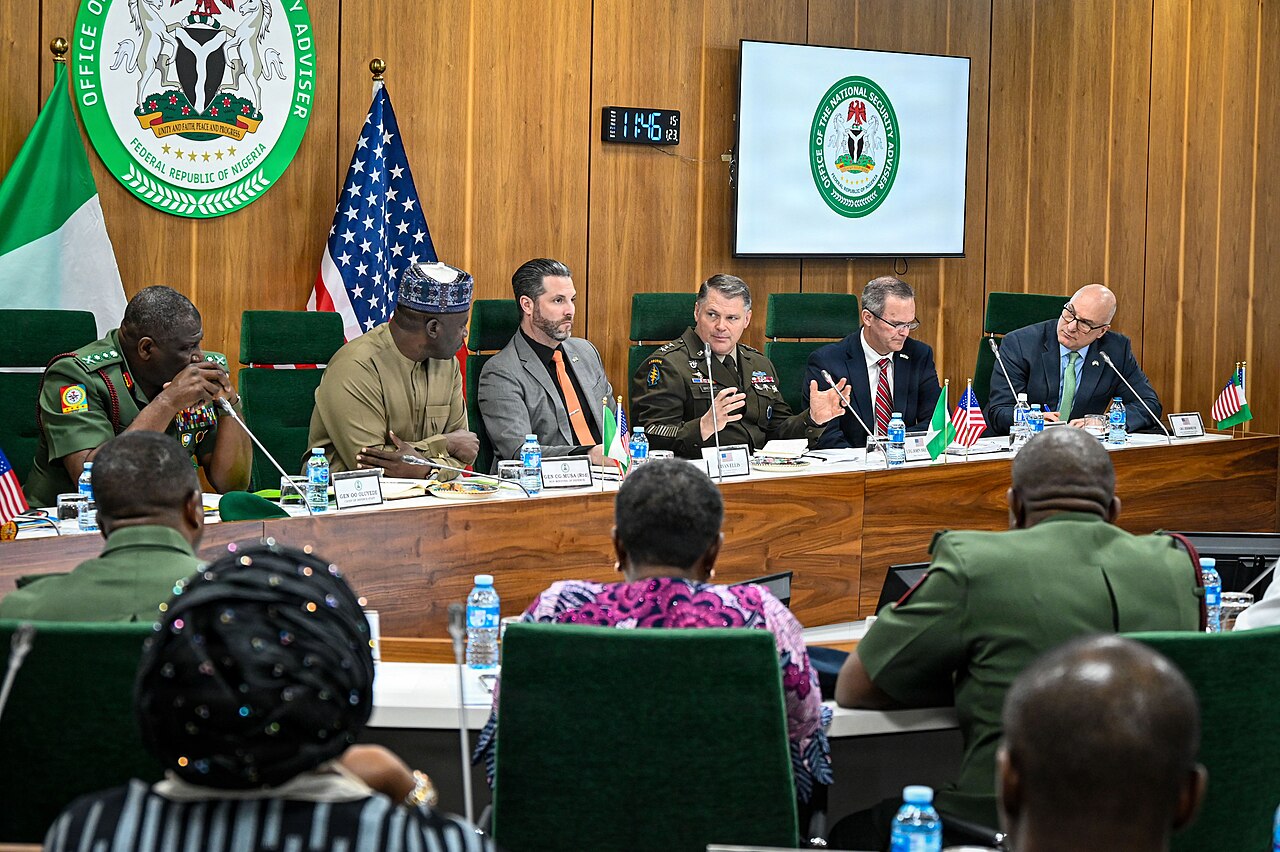
Introduction to Nigeria Political Realignment
The landscape of Nigeria political realignment is experiencing a seismic shift as political heavyweights in Abuja and Lagos lay the groundwork for upcoming electoral battles. With traditional party lines facing unprecedented pressure from defectors, grassroots movements, and strategic mergers, both the ruling All Progressives Congress (APC) and the main opposition Peoples Democratic Party (PDP) are scrambling to secure their structural dominance.
As political actors re-evaluate their alliances, policy debates, and zoning formulas, the core of Nigeria’s democracy is once again entering a high-stakes transition phase. Stakeholders across the 36 states are watching closely to see how these shifting dynamics will influence governance, legislative priorities, and executive ambitions.
The Abuja Power Play: Behind the Scenes of New Party Coalitions
In the Federal Capital Territory, closed-door meetings have become the order of the day. Power brokers, former governors, and federal lawmakers are locked in intense negotiations to forge a formidable third-force alliance capable of challenging the entrenched two-party dominance.
Political analysts note that the current economic realities and public sentiments have created a fertile ground for dissent. Dissatisfied factions within both the APC and PDP are leveraging structural grievances to build cross-regional bridges. According to senior political insiders in Abuja, these emerging blocs are not merely temporary electoral vehicles; they are designed to fundamentally alter how political power is contested and distributed across Nigeria.
Lagos State and the Regional Calculus
No Nigeria political realignment discussion is complete without examining the strategic posture of Lagos State. As the nation’s commercial heartbeat and a critical political crucible, Lagos remains a primary target for opposition strategists seeking to break established political monopolies.
While the ruling establishment in Lagos maintains a tight grip on municipal and state structures, opposition groups are refining their grassroots mobilization tactics. By capitalizing on urban economic pressures and engaging tech-savvy youth demographics, dissenting factions hope to replicate and surpass past electoral upsets in the nation’s commercial capital.
APC and PDP Responses to the Defection Wave
In response to the growing wave of cross-carpeting, national leaderships of both the APC and PDP have rolled out damage-control strategies. Disciplinary committees have been reactivated, and reconciliatory tours are underway to appease aggrieved chieftains.
- APC Strategy: Emphasizing infrastructural achievements, executive stability, and party supremacy to retain legislative loyalty.
- PDP Strategy: Positioning itself as the true alternative to current fiscal policies, aiming to absorb disgruntled elements from other camps.
- Third-Force Movements: Focusing on digital mobilization, transparent internal democracy, and inclusive youth participation.
Despite these institutional safeguards, party discipline remains fragile. Political actors continue to weigh personal ambitions against collective party loyalty, leading to a volatile environment where loyalties can shift overnight.
What This Means for the 2027 General Elections
The ripple effects of this ongoing realignment will ultimately be tested at the ballot box. As the Independent National Electoral Commission (INEC) rolls out technological upgrades and finalizes electoral guidelines, voters are becoming increasingly discerning.
Civil society organizations have urged political parties to prioritize issue-based campaigns rather than personality-driven rhetoric. With key issues such as economic inflation, national security, and infrastructural development dominating public discourse, citizens demand tangible manifestos that address everyday challenges in Lagos, Abuja, and beyond.
Conclusion
The ongoing Nigeria political realignment underscores the dynamic and unpredictable nature of the country’s democratic journey. As coalitions form, dissolve, and re-emerge, the ultimate victor will be determined by which political platform successfully aligns its vision with the aspirations of the Nigerian electorate. The coming months will undoubtedly test the resilience of Nigeria’s political institutions as the march toward the next general elections accelerates.