
Understanding the Persistent Nigeria Power Sector Crisis
For millions of residents across Lagos, Abuja, and Port Harcourt, the hum of petrol and diesel generators remains an unwelcome soundtrack to daily life. Despite decades of reforms, privatization experiments, and billions of dollars injected into generation and distribution infrastructure, the Nigeria power sector continues to battle systemic vulnerabilities that frequently plunge the country into total darkness.
Recent data from the System Operator indicates that the national grid has suffered multiple collapses within a single quarter, sparking widespread outrage among domestic consumers and industrial manufacturers alike. For a nation striving to industrialize its economy and support a booming digital tech ecosystem, unreliable electricity remains the single greatest bottleneck to sustainable productivity.
Anatomy of a Collapse: Why the National Grid Fails
Energy analysts point to a combination of legacy infrastructure decay, gas supply shortages, and liquidity bottlenecks across the value chain. Distribution companies (DisCos) often struggle with commercial losses and legacy debts, while generation companies (GenCos) face crippling delays in receiving payments for power already supplied to the grid.
Furthermore, outdated transmission lines managed by the Transmission Company of Nigeria (TCN) lack the capacity to wheel power efficiently across vast distances. When a single major gas pipeline is vandalized or a generation plant trips off, the entire grid destabilizes, resulting in cascading system failures.
Abuja’s Multi-Billion Naira Overhaul Strategy
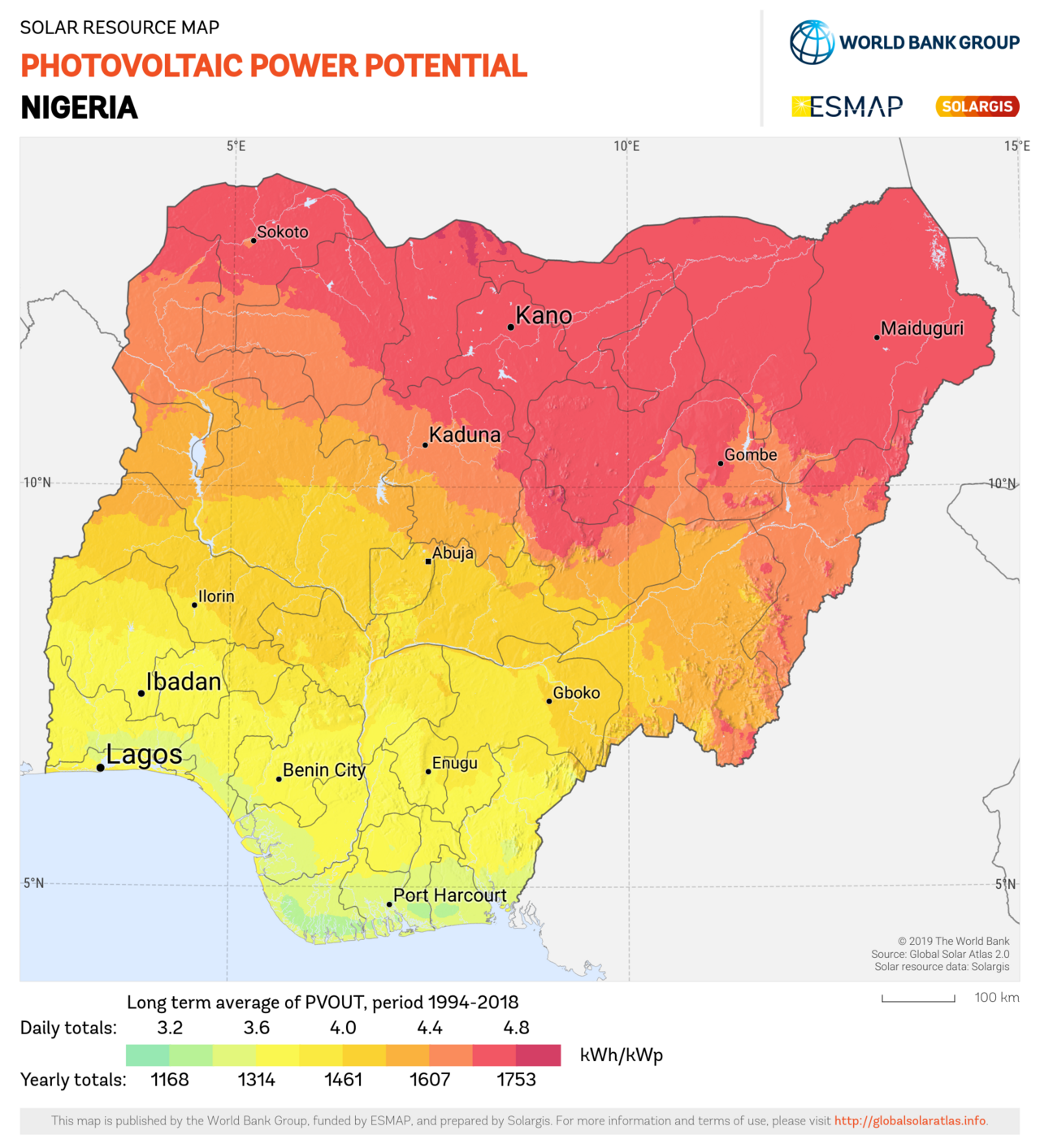
In response to mounting public pressure, the federal government stationed in Abuja has rolled out an aggressive remedial blueprint aimed at stabilizing the grid through decentralized solar mini-grids, aggressive metering initiatives, and bilateral power contracts.
Key Pillars of the New Energy Roadmap
- Siemens-Nigeria Power Accord: Accelerated deployment of transformers and mobile substations to boost wheeling capacity.
- Presidential Metering Initiative: Closing the massive metering gap to reduce estimated billing and improve DisCo revenue collection.
- Off-Grid Solutions: Expanding rural electrification through solar-powered mini-grids targeting universities and teaching hospitals.
The Path Forward for Nigerian Businesses
Small and medium enterprises in bustling commercial hubs like Ikeja and Alaba bear the brunt of power outages, spending a significant portion of their operational expenditure on diesel and petrol. Until long-term regulatory frameworks truly unbundle transmission and empower state governments to generate and distribute power locally, the path to stable electricity requires sustained political will and strict enforcement of sector regulations.