
Introduction
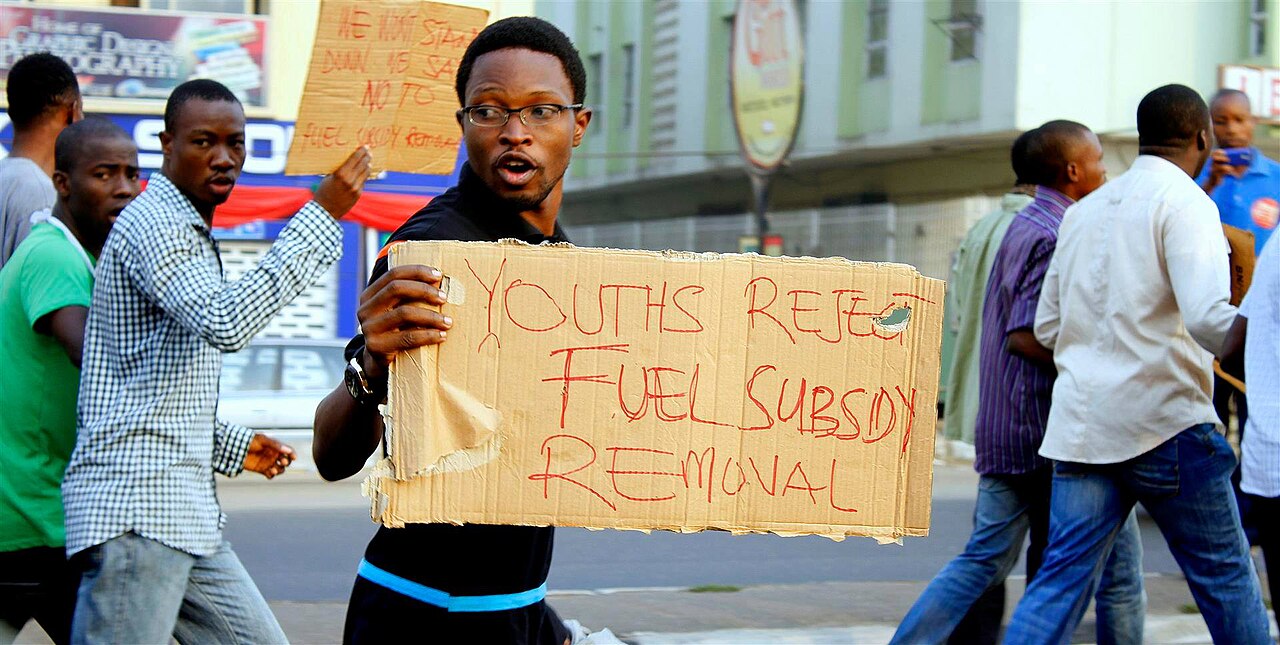
As the economic realities of ongoing reforms continue to reverberate across the country, the Nigeria Labour Congress (NLC) has intensified its pressure on the federal government. Demanding an immediate NLC petrol price cut and comprehensive wage relief packages, the organized labor body warns that millions of households in commercial hubs like Lagos and political centers like Abuja are buckling under severe financial strain.
The latest demands follow a series of high-level consultations among labor leaders, civil society organizations, and workers’ unions. With the removal of fuel subsidies and fluctuating global oil markets driving up the cost of living, the NLC insists that urgent state intervention is non-negotiable to prevent widespread social unrest.
The Core Demands of the Nigerian Labour Congress
In a strongly worded communique issued after an emergency executive meeting, the NLC outlined several non-negotiable demands aimed at alleviating the current economic pressure:
- Downward Review of Pump Prices: Immediate intervention by regulatory bodies to reverse recent hikes in petroleum pump prices.
- Comprehensive Wage Relief: Full implementation and enforcement of the approved national minimum wage across all 36 states, coupled with additional palliative allowances.
- Utility Cost Subsidies: Targeted price caps and relief mechanisms for public transportation, electricity tariffs, and essential food items.
Labor leaders argue that previous palliatives have failed to reach the average Nigerian worker, leaving civil servants, artisans, and small business owners vulnerable to hyperinflation.
Impact on Urban Centers: Lagos and Abuja Perspective
In major metropolitan areas such as Lagos and Abuja, the ripple effects of high energy costs are glaringly obvious. Public transport operators have repeatedly adjusted fare prices, pushing commuting costs beyond the reach of daily wage earners. Market vendors in popular commercial districts report a drastic drop in purchasing power as consumers prioritize bare necessities over other goods.
Economists note that unless the federal government balances its macroeconomic stabilization policies with robust social welfare nets, urban productivity will suffer. Small and medium-sized enterprises (SMEs) are finding it increasingly difficult to sustain operations amid exorbitant diesel and electricity tariffs, forcing some to downsize or close down entirely.
Government Response and Path Forward
Federal authorities have consistently maintained that the ongoing economic reforms are foundational to achieving long-term fiscal stability and attracting foreign direct investment. Government representatives emphasize that funds previously diverted into unsustainable subsidy regimes are being redirected toward critical infrastructure, healthcare, and educational development.
However, the NLC remains skeptical of long-term projections, arguing that immediate survival takes precedence. As negotiations between the federal government and labor unions continue behind closed doors, all eyes remain fixed on Abuja to see whether the administration will yield to the mounting pressure for a sustainable NLC petrol price cut and meaningful economic relief.