
Tackling the Rivers Flood Relief Crisis
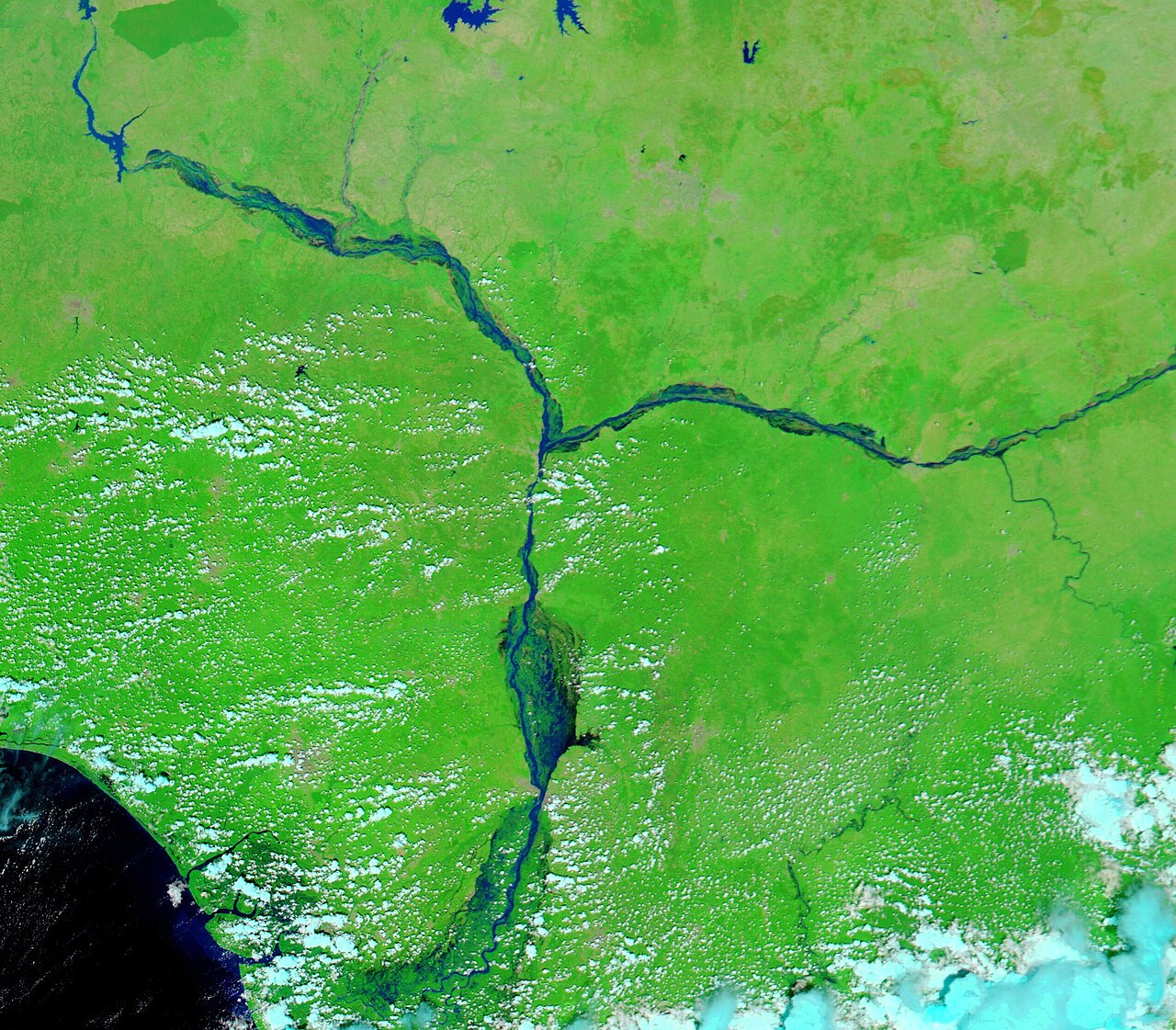
As torrential rains continue to batter coastal and low-lying areas across the country, the plight of Rivers flood relief has taken center stage in national disaster management discourse. Following widespread displacement and destruction of farmlands, the government has stepped up efforts to deliver immediate emergency supplies to affected households while formulating long-term strategies to mitigate ecological devastation in the Niger Delta region.
Local authorities, working in tandem with federal emergency response units, have mobilized food items, medical supplies, and temporary shelter materials to cushion the shock for vulnerable families. The intervention comes on the heels of mounting appeals from community leaders who warned of looming humanitarian crises if immediate palliatives failed to reach remote settlements cut off by rising water levels.
Understanding the Root Causes of Niger Delta Flooding
While emergency palliatives offer a crucial stopgap, experts emphasize that sustainable solutions require addressing the underlying structural and environmental challenges. Key factors exacerbating the seasonal inundation include:
- Overflowing Waterways: Rising water levels from major rivers and tributaries spilling over traditional banks.
- Deforestation and Land Degradation: Loss of natural vegetation cover that previously acted as a buffer against heavy downpours.
- Inadequate Drainage Infrastructure: Poorly channeled urban and rural water pathways obstructing natural run-offs.
Environmental management specialists in Port Harcourt have repeatedly stressed that until these structural deficiencies are systematically resolved through rigorous urban planning and ecological dredging, communities in flood-prone zones will remain perpetually vulnerable to climate-induced disasters.
Government Action Plan and Long-Term Mitigation
The latest directive from the state government mandates a multi-sectoral approach to not only distribute Rivers flood relief materials effectively but also to clear blocked waterways and relocate communities residing in high-risk zones. Public health officials are equally deployed to monitor waterborne diseases, ensuring that displaced populations residing in temporary camps have access to clean drinking water and sanitation facilities.
As the National Emergency Management Agency (NEMA) coordinates similar interventions across other affected states like Ebonyi, stakeholders across Nigeria are calling for increased budgetary allocations toward climate resilience and proactive disaster preparedness rather than reactive emergency spending.