
The Endless Cycle of Poor Infrastructure in Nigerian Football
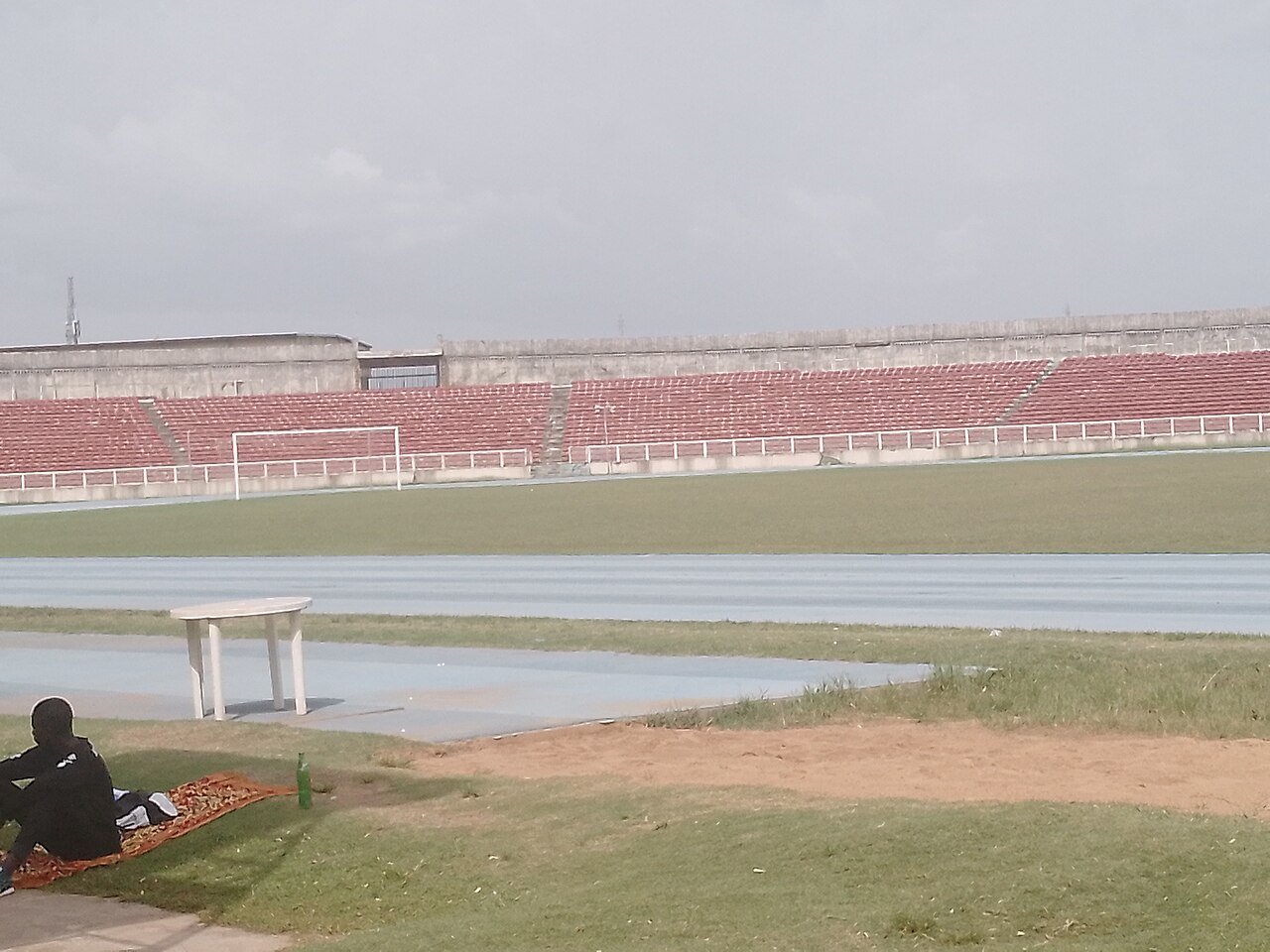
The recent outcry by national team handlers regarding sub-par playing surfaces has once again thrown the spotlight back on the state of sports infrastructure in Lagos, Abuja, and across the country. Following a disastrous outing that left millions of supporters across the federation stunned, the debate has shifted swiftly away from tactical blunders to the physical state of facilities where the Super Eagles train and play.
For years, sports analysts and dedicated fans have decried the sluggish pace of facility modernization. While neighboring nations invest heavily in FIFA-standard turfs and world-class recovery centers, Nigerian stadia continue to grapple with uneven grass, poor drainage systems, and deteriorating floodlights. This latest controversy underscores a deeper, systemic issue plaguing the nation’s most beloved sport.
Why the Super Eagles pitch Excuse No Longer Flies with Fans
In the wake of the recent defeat, technical comments pointing fingers at the playing surface drew sharp rebukes from veteran football administrators and passionate supporters alike. Pundits arguing on various sports radio stations in Lagos and Abuja noted that elite players plying their trades in top European leagues regularly adapt to adverse weather and challenging grounds. Consequently, attributing a heavy loss solely to a bad pitch is viewed by many as an attempt to deflect accountability.
- Infrastructure Deficit: Most state-owned stadia lack proper maintenance budgets, leading to rapid decay after major tournaments.
- Technical Accountability: Fans demand that team management focus on tactical flexibility and player selection rather than external conditions.
- Grassroots Neglect: Investment in local league pitches remains drastically low, stifling the development of players who can naturally handle rugged terrains.
The Path Forward for the Nigeria Football Federation
As qualification matches grow increasingly competitive, pressure is mounting on the Nigeria Football Federation (NFF) to overhaul how stadia are managed and utilized. Stakeholders are calling for public-private partnerships to rescue national sports assets from bureaucratic stagnation. Without immediate intervention to upgrade training grounds in key hubs like Lagos and Abuja, the aspirations of millions of Nigerian football faithful risk being continually compromised by preventable logistical and structural failures.