
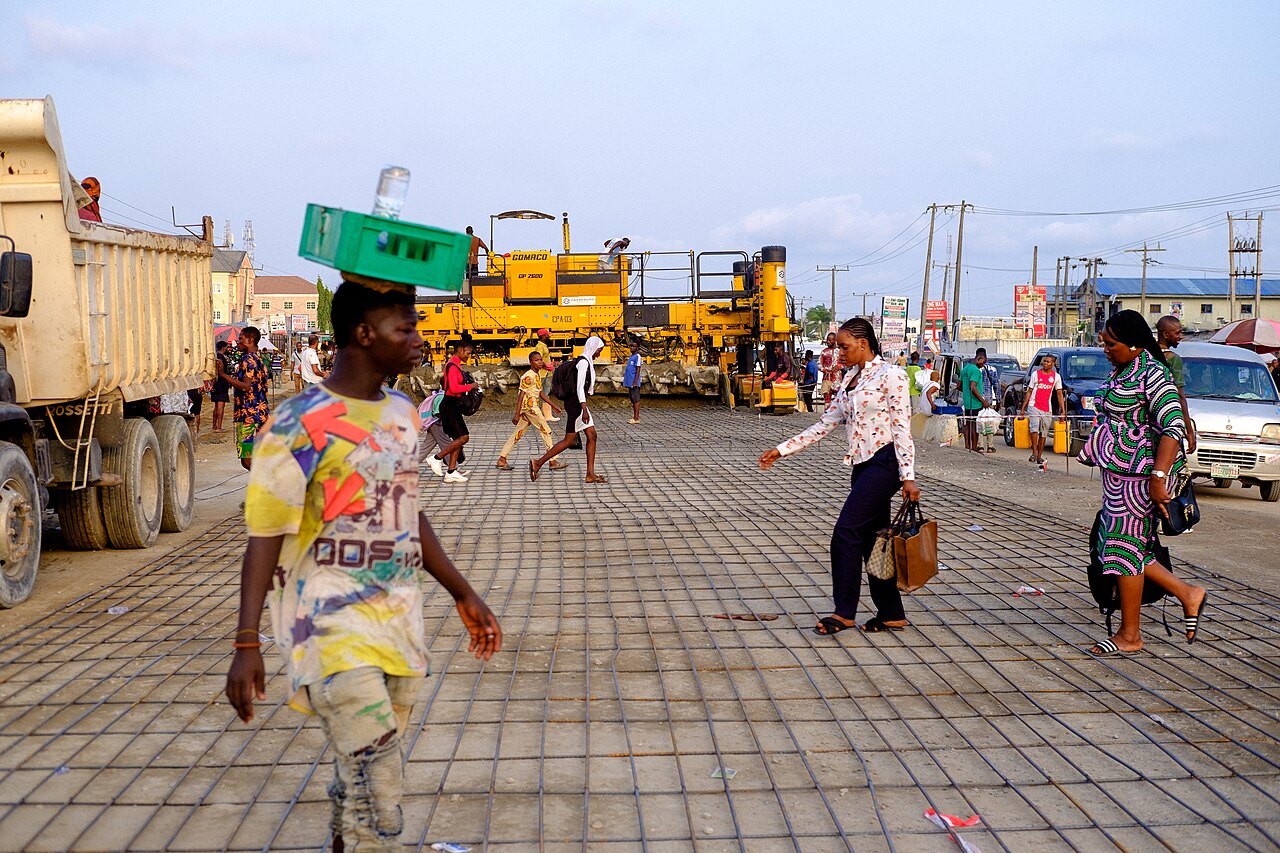
Driving Growth and Security in Northern Nigeria
In a major developmental push aimed at transforming rural connectivity and reinforcing regional security, the Zamfara State Government has officially flagged off the construction of a landmark 95-kilometer Tsafe road project. This ambitious infrastructure initiative is designed to link critical agricultural zones, ease the movement of goods and services, and provide a strategic security buffer against banditry and criminal elements operating within the axis.
Speaking at the groundbreaking ceremony in Tsafe, key state officials emphasized that infrastructural decay has historically hindered economic expansion and security patrols in the hinterlands. By delivering an all-weather asphalt road, the administration aims to integrate remote farming communities into the mainstream state economy, ensuring that produce can reach urban markets without prohibitive logistical bottlenecks.
Economic Impacts of the 95km Tsafe Road Project
For decades, agrarian communities in Zamfara have suffered from severe infrastructural deficits, leading to massive post-harvest losses. Farmers frequently struggle to transport perishable goods to major distribution hubs across the North-West zone. The new Zamfara State Government road project is expected to act as an immediate catalyst for economic revitalization.
- Enhanced Agricultural Supply Chains: Farmers will enjoy cheaper, faster transit to local and regional markets, reducing transportation overheads.
- Job Creation for Youths: The massive civil engineering undertaking has already begun absorbing local artisans, laborers, and technical personnel.
- Attracting Private Investment: Improved access routes create a viable environment for agro-processing plants and commercial enterprises to set up shop outside the capital city.
Strategic Security Implications for the North-West
Beyond its undeniable economic benefits, infrastructure development in security-challenged states like Zamfara plays a vital tactical role. Impassable terrain and rugged, unpaved tracks have long served as safe havens and escape routes for criminal syndicates operating in the forests.
Security analysts note that paved, well-lit roads drastically improve the response times of the Nigerian military and police personnel during distress calls. With the completion of the 95km Tsafe artery, armored vehicles and patrol teams will experience unhindered mobility, projecting state power and deterrence deep into previously vulnerable sectors.
The Road Ahead for Zamfara Infrastructure
As heavy machinery moves on-site, expectations among residents remain high. Civil society groups and local community leaders have lauded the proactive stance of the state executive, urging transparent execution and timely completion of the milestones. If successfully delivered, the Tsafe road corridor could serve as a sustainable blueprint for infrastructural renaissance and security consolidation across northwestern Nigeria.