
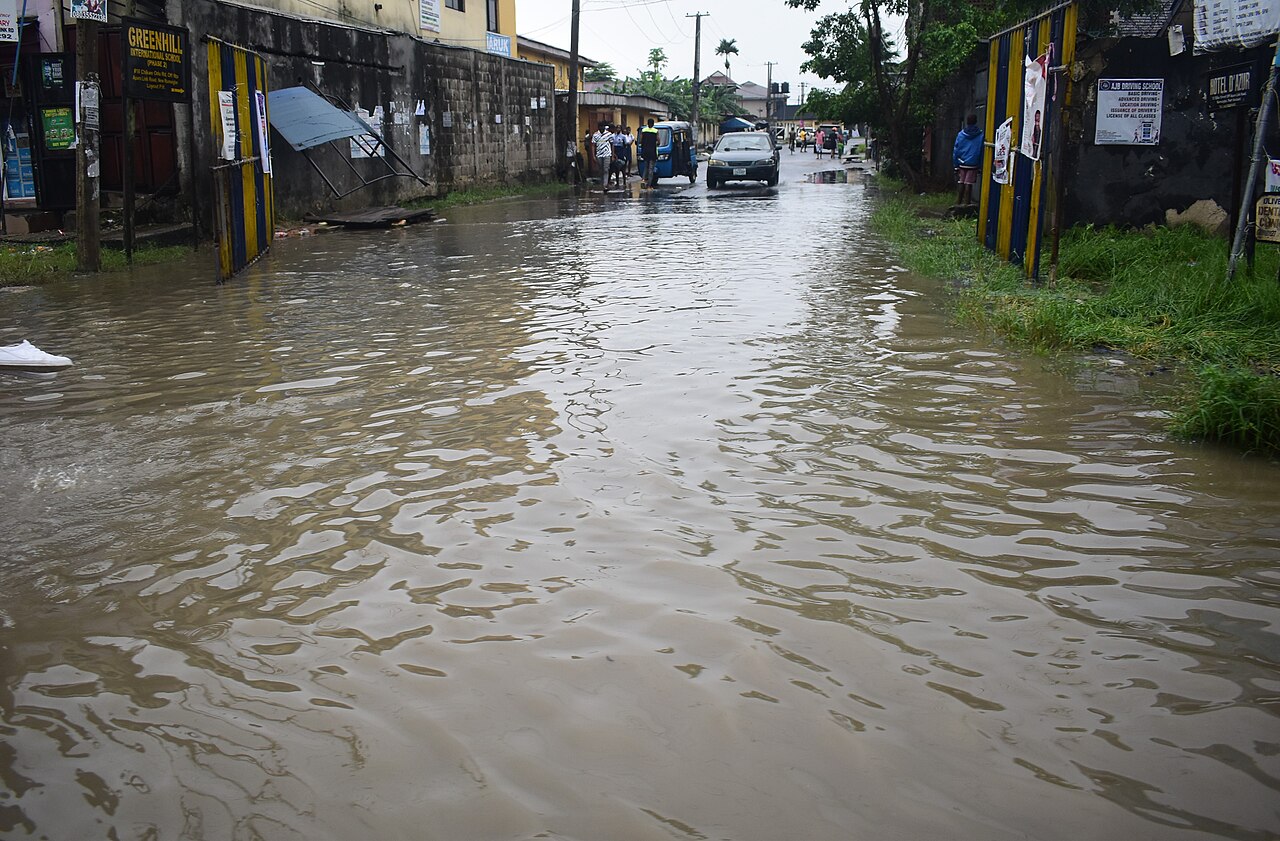
Understanding the Scale of the Edo Flooding Crisis
The recent wave of Edo flooding has left a trail of economic devastation across several rural and semi-urban settlements, threatening food security and local commerce. As heavy torrential downpours continue to batter parts of Southern Nigeria, farming communities and small business owners in Edo State are counting monumental losses. Acres of farmlands, residential buildings, and vital local infrastructure have been submerged, throwing thousands of residents into profound distress.
Local authorities and community leaders have raised the alarm over the escalating humanitarian situation, noting that the disaster has severely disrupted economic activities. Markets, transport routes, and small-scale agro-processing ventures have ground to a halt, compounding the financial pressures on households already grappling with broader macroeconomic headwinds.
Impact on Local Agriculture and Food Security
Agriculture remains the primary economic backbone for many rural communities in Edo State. However, the unchecked surge of floodwaters has washed away staple crops just weeks before harvest season. Farmers who secured microloans and invested heavily in maize, cassava, and yam production now face total ruin.
- Crop Destruction: Vast hectares of arable land are currently underwater, destroying projected yields for the current agricultural cycle.
- Livestock Losses: Numerous poultry and small-scale livestock farms have been swept away, further tightening animal protein supply chains within the region.
- Post-Harvest Disruption: Storage facilities and local processing mills have been compromised, cutting off farmers from accessing viable markets.
Agricultural experts warn that if immediate intervention is not deployed, the localized damage to the state’s food production capacity will trigger a sharp spike in food prices across neighboring commercial hubs like Lagos and Abuja.
Socio-Economic Toll on Small Business Owners
Beyond the agricultural sector, urban and semi-urban enterprises have not been spared. Retailers, vulcanizers, provision store owners, and transport operators are lamenting low patronage and physical damage to their premises. Shop owners in flood-prone districts have reported ruined inventory worth millions of Naira.
“We came to the market in the morning only to find our goods floating inside muddy water,” lamented an affected trader in a suburban market. “Many of us took goods on credit or cooperative loans, and now everything is gone in a single night.”
Call for Urgent Government Intervention
In the wake of the disaster, civil society groups and affected community stakeholders are demanding immediate palliative measures from both the state government and federal emergency response agencies. While state officials have deployed on-ground assessment teams to evaluate the extent of the damage, residents insist that swift infrastructural revamps, such as improved drainage networks and dredging of blocked waterways, are vital for long-term mitigation.
As Edo State navigates this profound environmental challenge, stakeholders agree that proactive urban planning and climate adaptation strategies must take center stage to prevent a recurrence of these devastating socio-economic losses.