
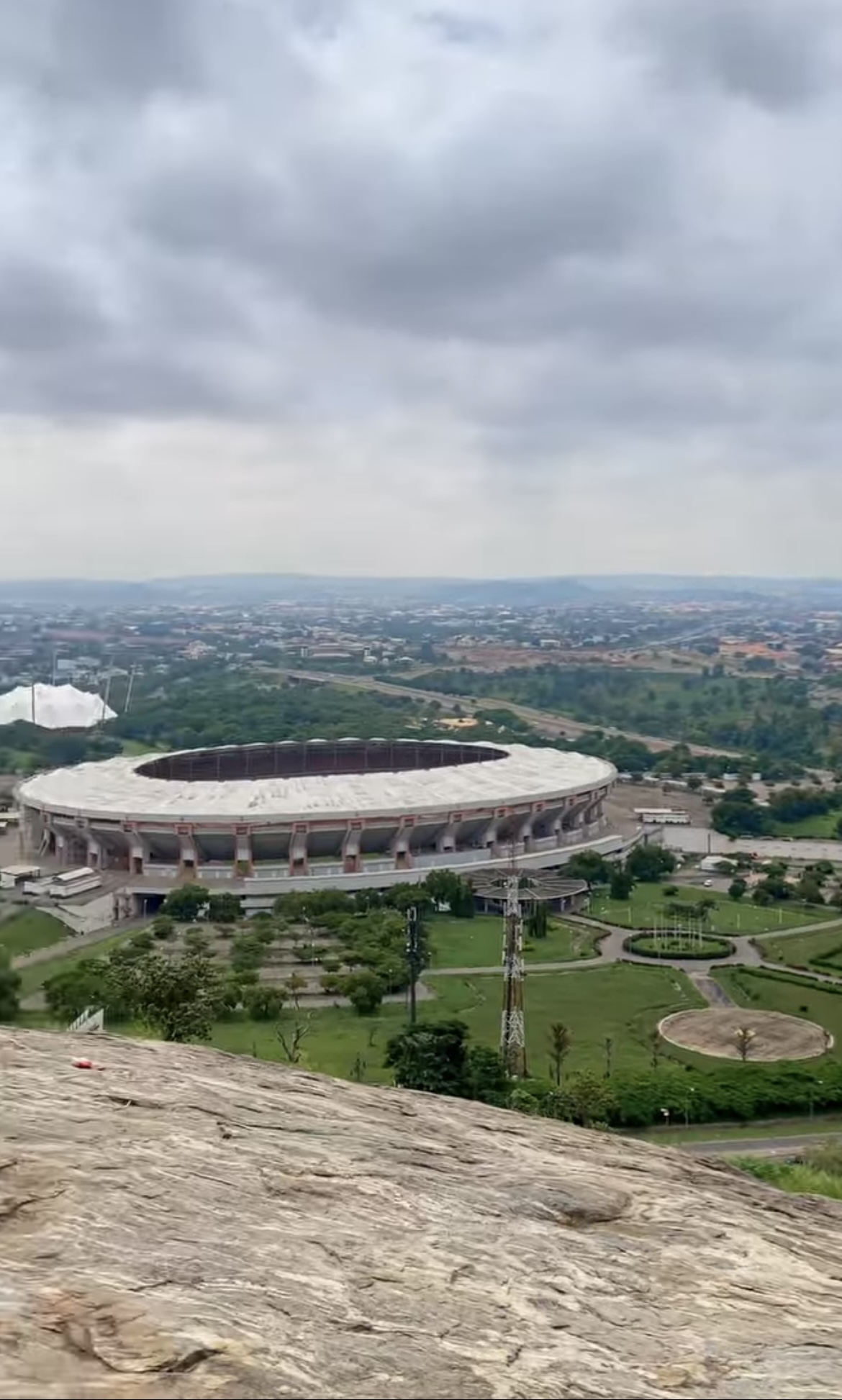
The State of Nigerian Stadiums: A National Embarrassment
The sports landscape in Africa’s most populous nation faces a severe crisis. Recent evaluations reveal a startling reality: out of 26 major stadiums spread across the country, only one facility currently meets international standards. This shocking statistic highlights decades of infrastructural decay, poor maintenance culture, and a lack of visionary sports administration.
For a nation that exports world-class football talent to top European leagues and commands immense passion for the round-leather game, playing crucial international fixtures outside its borders has become an unfortunate norm. The absolute necessity for Nigerian stadiums to undergo a complete overhaul is no longer just about comfort; it is a matter of national pride and economic survival.
Why Current Public Funding Models Are Failing
For decades, the construction and maintenance of sports complexes in Nigeria have rested almost exclusively on the shoulders of state and federal governments. This government-centric approach has proven unsustainable. Bureaucratic bottlenecks, corruption, and shifting political priorities often mean that once a stadium is built, budgetary allocations for routine maintenance simply dry up.
Key issues plaguing these facilities include:
- Dilapidated Pitches: Uneven surfaces and poor drainage systems that increase injury risks for players.
- Obsolete Facilities: Outdated floodlighting, non-functional electronic scoreboards, and inadequate media press boxes.
- Substandard Hospitality: Lack of modern VIP lounges, corporate boxes, and fan-experience zones that generate matchday revenue.
Without a strategic shift, public funds will continue to sink into black holes of endless rehabilitation projects that yield little to no long-term economic value.
Adopting a New Concession and PPP Model
Experts and sports economists argue that Nigeria urgently needs a new economic model to rescue its sporting assets. The way forward lies in Public-Private Partnerships (PPPs) and commercial concessions, mirroring successful frameworks seen in Europe, North Africa, and South Africa.
By handing over stadium management to private consortiums with proven track records in facility management and entertainment, these venues can transform into multi-use commercial hubs. Modern stadiums should not merely open for 90 minutes of football once a week; they must function as year-round revenue generators hosting concerts, conferences, retail malls, and fitness centers.
What This Means for the NPFL and Super Eagles
The deplorable state of Nigerian stadiums directly impacts domestic competitions like the Nigeria Premier Football League (NPFL) and hurts the brand value of our national teams. When top-tier matches are played on pitches resembling grazing fields, television broadcast values plummet, sponsors hesitate to invest, and young talents fail to showcase their true potential on the global stage.
Investing in world-class turf, modern seating, and robust security architecture will not only bring back fans to the stands but will also position major Nigerian cities like Lagos, Abuja, and Port Harcourt to successfully bid for lucrative continental and global sporting events.
The Way Forward
The consensus among stakeholders is clear: the government must relinquish total control and create an enabling legal environment for private investors to commercialize sports infrastructure. Until Nigeria embraces a sustainable business model for its sporting arenas, the country’s immense athletic potential will remain stifled by the very grounds upon which it is meant to shine.